Japanese Sweets Souvenirs
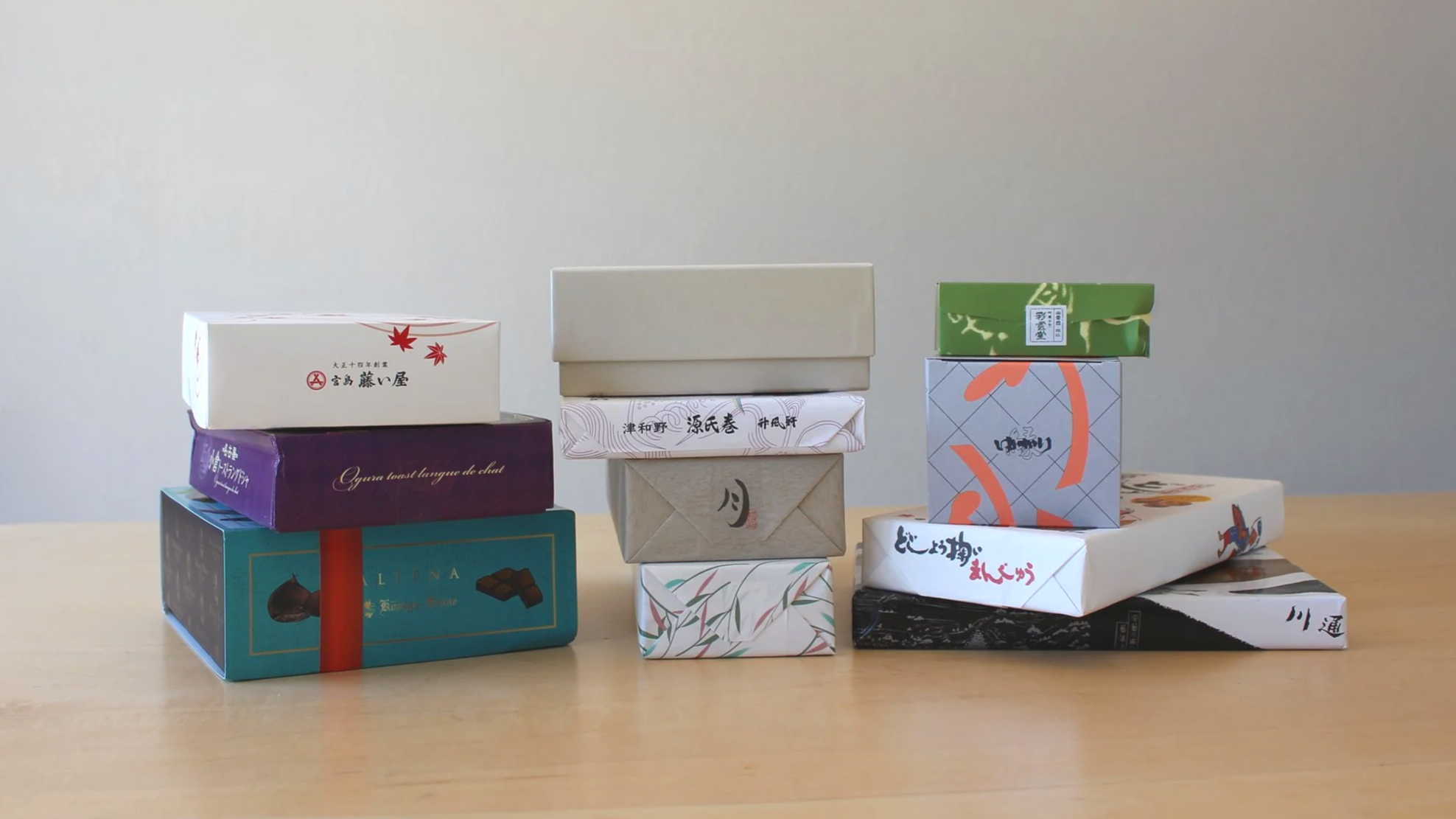
Best Japanese Sweets Souvenirs I Brought Home from Japan
One of my favorite parts of every trip back to Japan isn't always shopping for clothes or cosmetics - it's shopping for Japanese sweets to bring home as Omiyage (souvenirs). This time, I traveled through Tokyo, Nagoya, Kobe, Hiroshima, and Shimane, stopping at Depachika (department store food halls) and Michi no Eki (roadside stations) to discover new treats and find some favorite sweets.
Instead of buying souvenirs at the airport, I love bringing home sweets that represent each region. Some are famous classics, while others are hidden gems made by small local businesses that you won't easily find outside Japan.
In this post, I'm sharing the different types of Japanese sweets, the souvenirs I brought home from this trip, and ways to enjoy Japanese sweets in the U.S. without traveling to Japan.
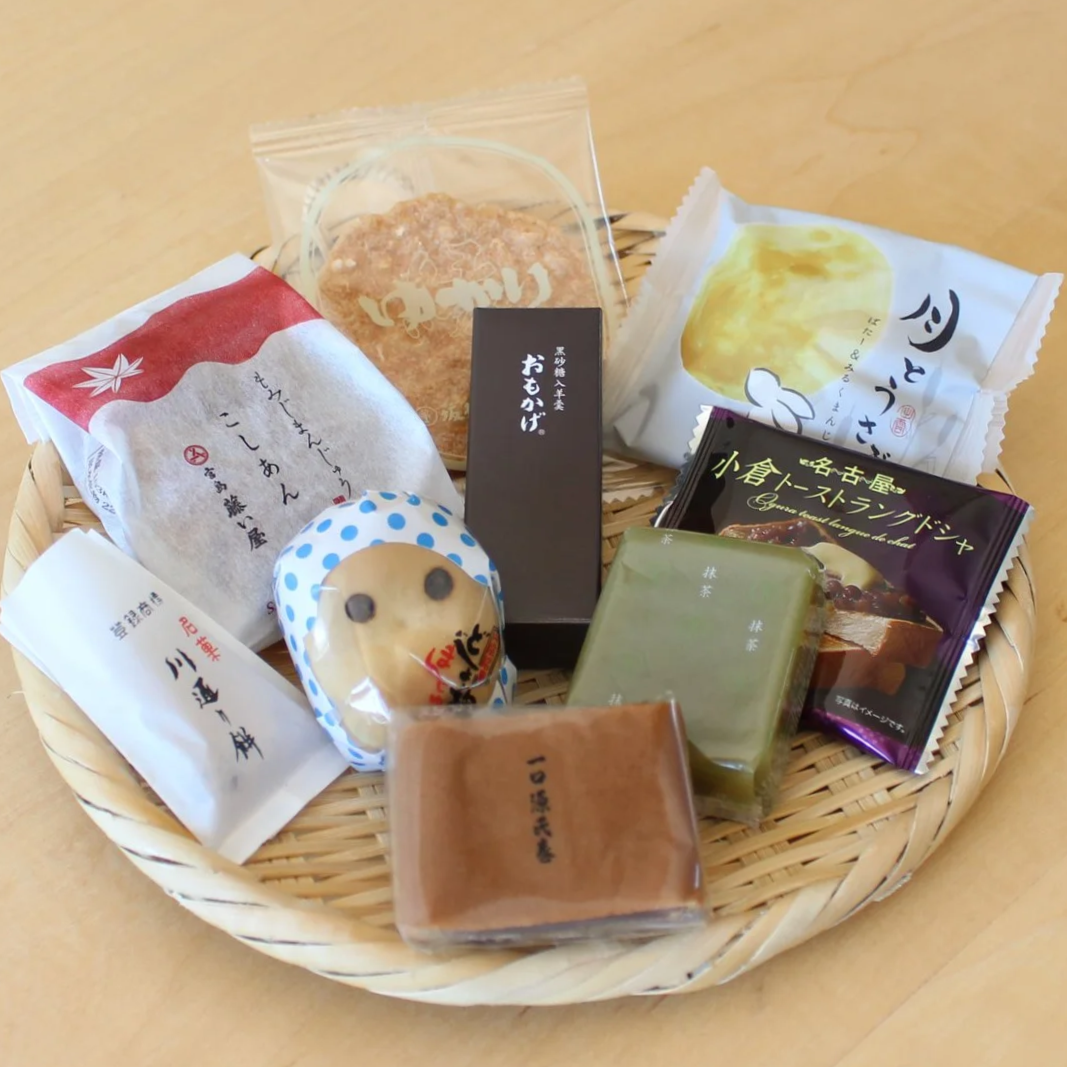
Japanese Sweets Categories
When shopping for Japanese sweet souvenirs, you'll come across two main categories: Wagashi (traditional Japanese sweets) and Yogashi (Western-style sweets). Both are popular in Japan, but they differ in their ingredients, textures, and history.
Wagashi: Traditional Japanese Sweets
Wagashi are traditional Japanese confections made primarily with plant-based ingredients such as rice, beans, and wheat. They're known for their delicate sweetness, beautiful seasonal designs, and close connection to Japanese tea culture.
Wagashi developed alongside tea ceremony traditions, and the increased availability of sugar during the Edo period helped expand the variety of Japanese sweets.
Popular types of wagashi include:
Daifuku: Soft mochi filled with sweet red bean paste.
Monaka: Crisp rice wafers filled with red bean paste.
Manju: Steamed buns with a sweet filling.
Yokan: A firm, jelly-like sweet usually made with red beans and agar.
Nerikiri: Beautifully shaped sweets inspired by flowers and the seasons.
Dorayaki: Fluffy pancakes filled with sweet red bean paste.
Dango: Chewy rice dumplings, often served on skewers.
Rice Crackers (Senbei, Arare, Okaki): Crunchy crackers that can be sweet or savory.
Wagashi vary by region, so they're a wonderful way to discover local food traditions while traveling around Japan.
Yogashi: Western-Style Sweets
Yogashi are Western-style sweets influenced by European baking traditions. They often use ingredients such as butter, flour, eggs, cream, and chocolate.
Western confectionery became more popular in Japan as international trade introduced new ingredients and techniques. Today, Japanese confectioners create their own versions of Western classics, often with unique flavors and beautiful gift packaging.
Popular types of Yogashi include:
Financiers: Small, moist almond cakes with a rich buttery flavor.
Baumkuchen: A layered cake originally from Germany.
Langue de Chat: Thin, crisp butter cookies, often filled with chocolate or cream.
Butter Cookies: Buttery cookies commonly sold in gift boxes or tins.
Madeleines: Small, soft French-style cakes.
Castella: A moist sponge cake with Portuguese roots that became popular in Japan.
Jelly Sweets: Fruit-flavored jellies, often packaged as gifts.
Yogashi are often great souvenirs because many varieties are individually wrapped and have a relatively long shelf life.
Which Japanese Sweets Should You Bring Home?
If you want to explore traditional Japanese flavors and tea culture, try Wagashi. If you prefer buttery cookies, cakes, and Western-style treats with a Japanese twist, Yogashi is a great choice.
I love discovering both when traveling around Japan. From traditional sweets made by local confectioners to beautifully packaged cookies from department stores, each one offers a little taste of Japanese food culture to bring home.
Where to buy Japanese Sweets
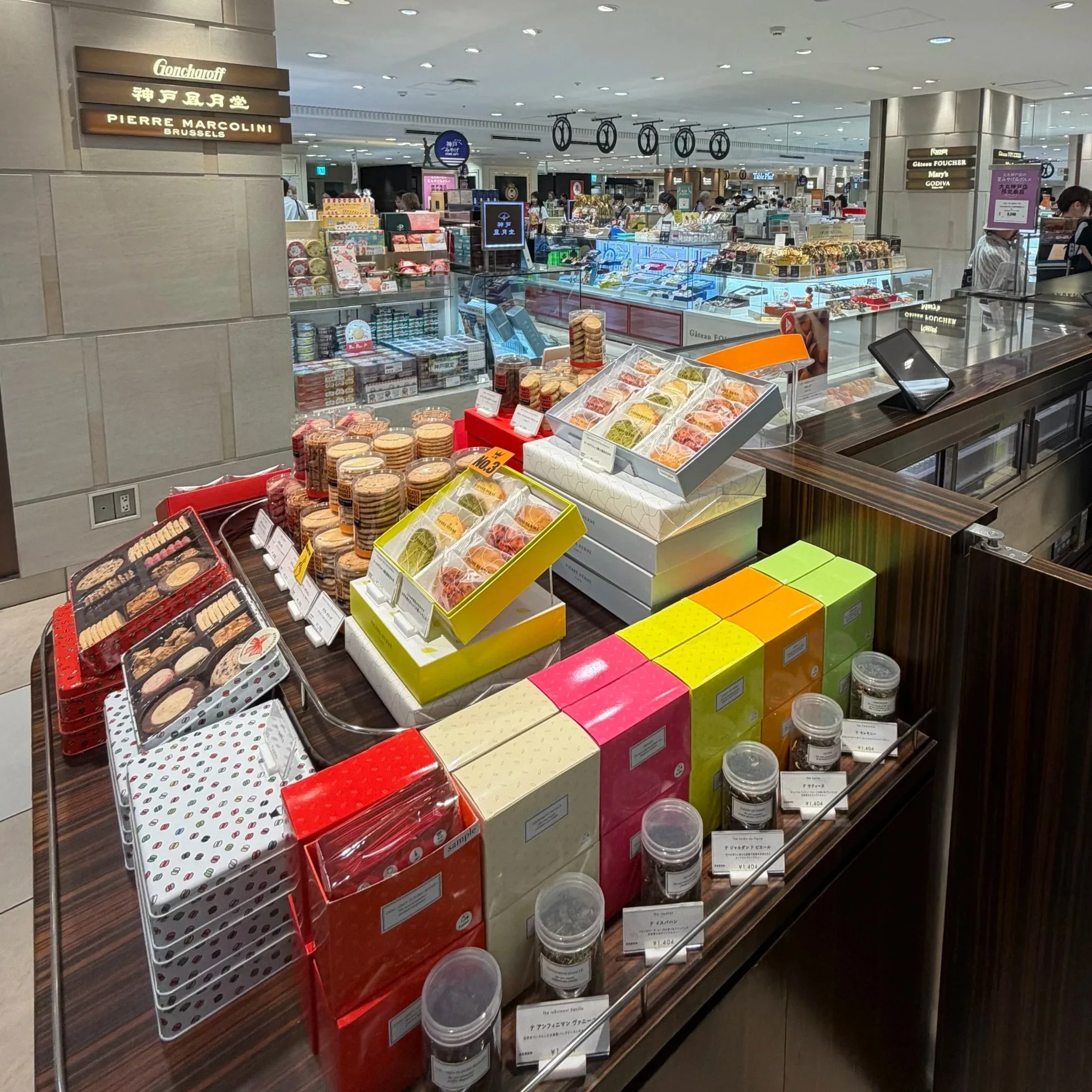
You can find Japanese sweets and snacks almost everywhere in Japan - supermarkets, konbini, or at the airport. For today, I am sharing my shopping experience at Depachika (department store’s food hall), and Michi no Eki (roadside stations).
Why I Shop at Depachika Instead of the Airport
Depachika means “Department store’s basement”, it’s normally located in the basement floor at department stores. Lots of them are directly connected to train stations and it’s very convenient to stop by. The floor has incredible selection of food - Bento, deli food, groceries, alcohol, bakeries, and Japanese sweets. Lots of sweets are beautifully packaged, many of which are made by long-established confectionery shops. You'll also find seasonal flavors and limited-edition products that aren't sold at airport souvenir stores.
Some of my favorite department stores include:
Isetan
Mitsukoshi
Takashimaya
Daimaru
Hankyu
If you're looking for gifts that feel a little more special, this is where I recommend shopping.
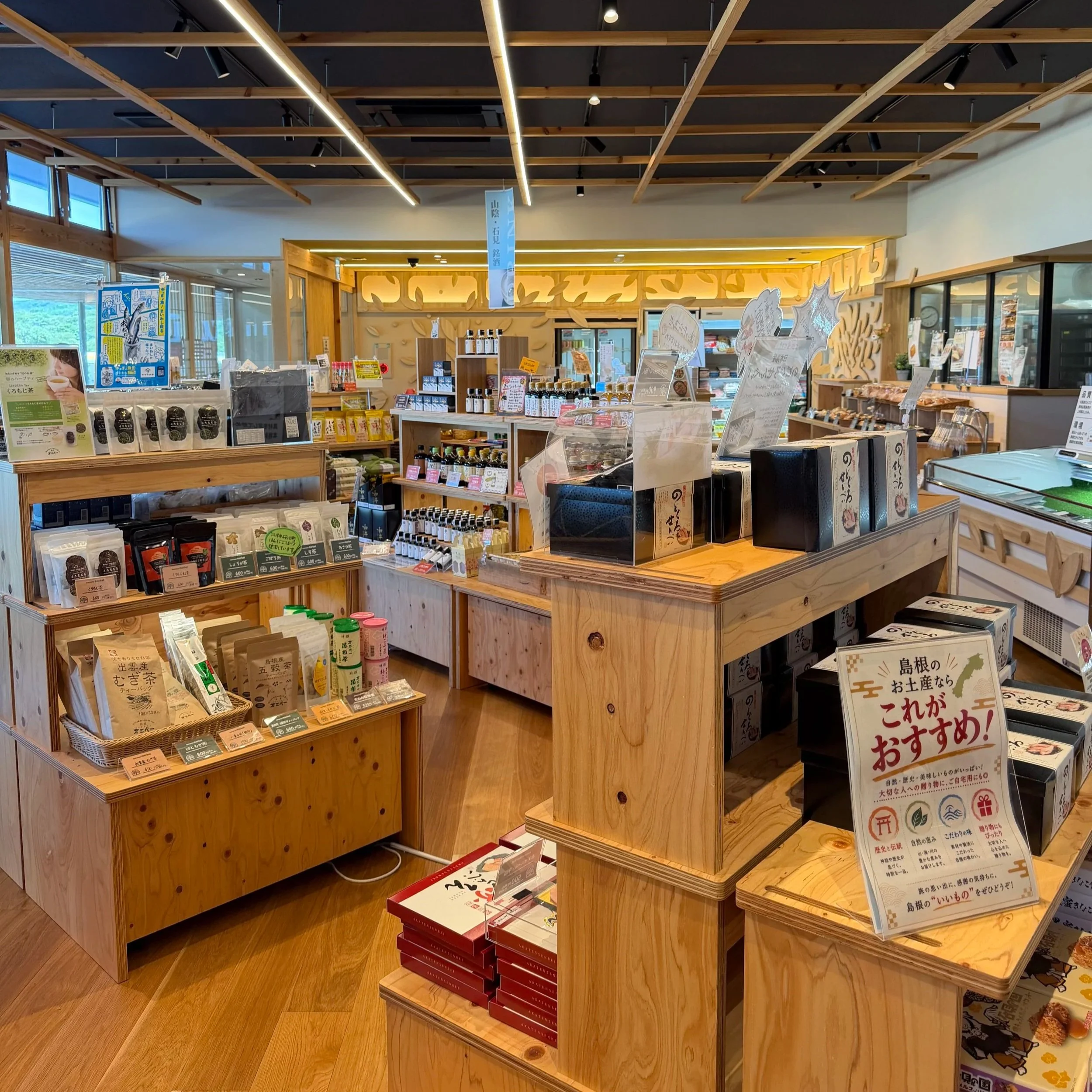
Don't Skip Michi no Eki
If you are driving in Japan, you may have heard of this spot. Michi no Eki is a roadside station. It's a roadside rest stop where drivers can take a break. These stations are often found along major highways, especially in rural areas. Besides the clean public restrooms and tourist information centers, they sometimes have food courts, local souvenirs, even local farmer’s markets for the fresh produces.
Unlike department stores, these shops focus on regional specialties made with local ingredients. I found treats featuring local fruits, chestnuts, tea, sweet potatoes, and handmade rice crackers that I had never seen before.
Some of the best souvenirs aren't the famous ones - they're the ones you accidentally discover during your travels.
The Souvenirs I Brought Back Home From Each Area I Visited
This time on my 2026 summer trip to Japan, I traveled through Tokyo, Nagoya, Kobe, Hiroshima, and Shimane. And here are what I bought and brought back home.
Nagoya, Aichi
Nagoya has some fun regional specialties that you don't see everywhere in Japan. On this trip, I brought home three very different treats - one savory, one inspired by a local cafe’s favorite, and one traditional Japanese sweet, all found at Takashimaya’s Depachika by Nagoya Station.
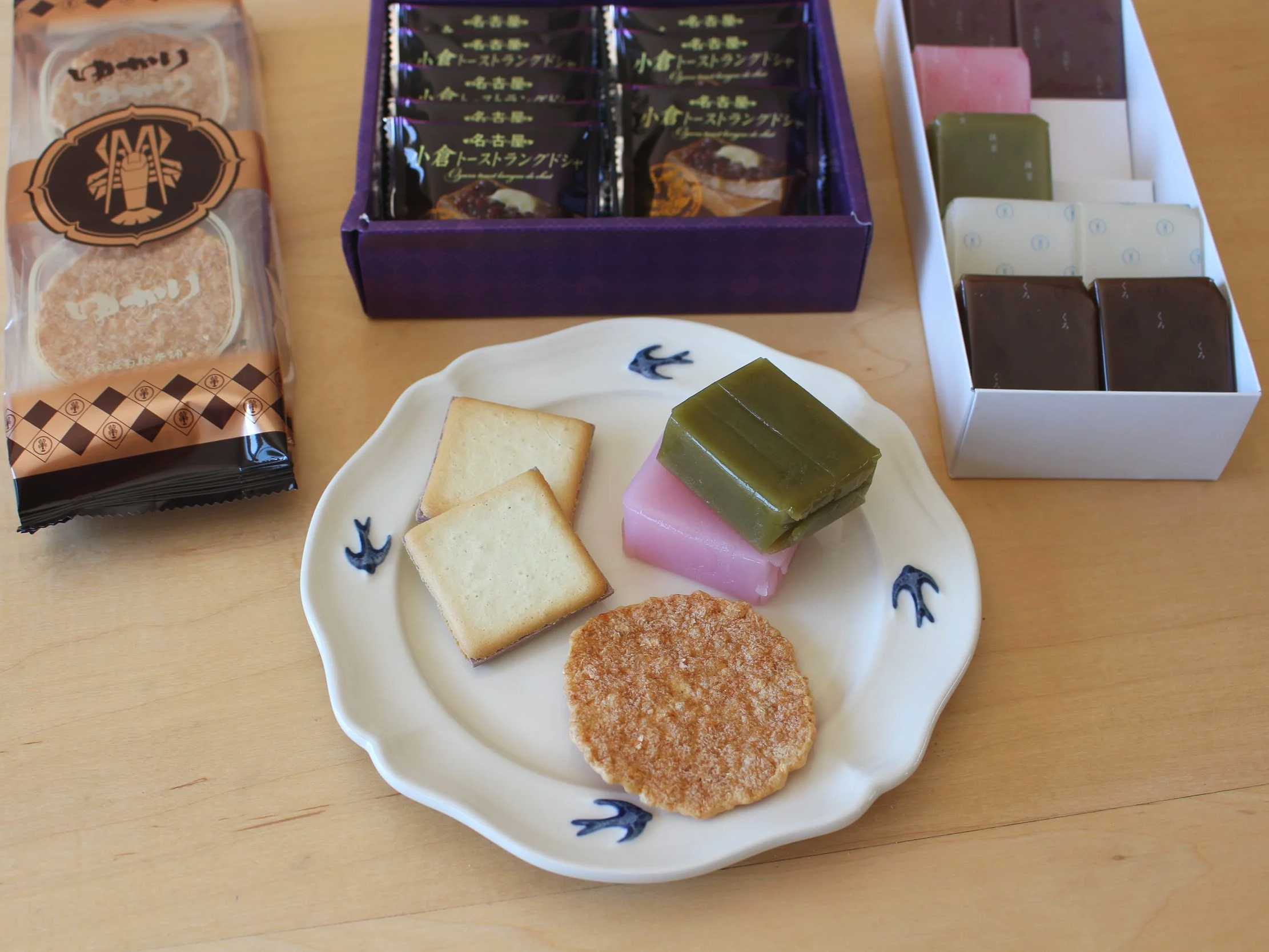
Yukari
A famous Nagoya-area shrimp cracker made with dried shrimp. It's crisp, fragrant, and packed with umami. This is a great (and light!) souvenir for anyone who prefers savory snacks over sweets.
Ogura Toast Langue de Chat
Nagoya is famous for Ogura Toast, a local cafe’s favorite dish made with toast, sweet red bean paste, and butter. This souvenir takes that familiar combination and turns it into a delicate langue de chat cookie with a sweet red bean cream filling. Such a fun way to bring a little taste of Nagoya home.
Uiro
One of Nagoya's most famous traditional sweets, Uiro is a soft and chewy steamed confection made with rice flour and sugar. If you like Mochi, you must try this one. The texture is slightly different than Mochi - it’s still chewy and squishy but it’s more dense and less stretchy. It comes in different flavors such as plain, matcha, sakura, yuzu, and my favorite is the classic red bean paste Uiro.
Kobe, Hyogo
Kobe is known as “the city of Western-style sweets”, and there's a fascinating reason why.
When the Port of Kobe opened to foreign trade during the Meiji era, a foreign settlement was established in the city, bringing Western food culture and ingredients to Japan much earlier than many other parts of the country.
As foreign residents began introducing bread, pastries, and desserts, ingredients such as butter and sugar also became more readily available through Kobe's international port. Japanese confectioners learned Western techniques from foreign bakers and pastry chefs, while others trained overseas and brought their skills back to Kobe.
This led to the growth of many beloved confectionery companies, including Kobe Fugetsudo, Juchheim, Morozoff, and Goncharoff - many of which are still well-known today.
So when you're souvenir-shopping in Kobe, you'll find a wonderful mix of Japanese and Western-style sweets, from traditional wagashi to elegant cookies, cakes, and chocolates.
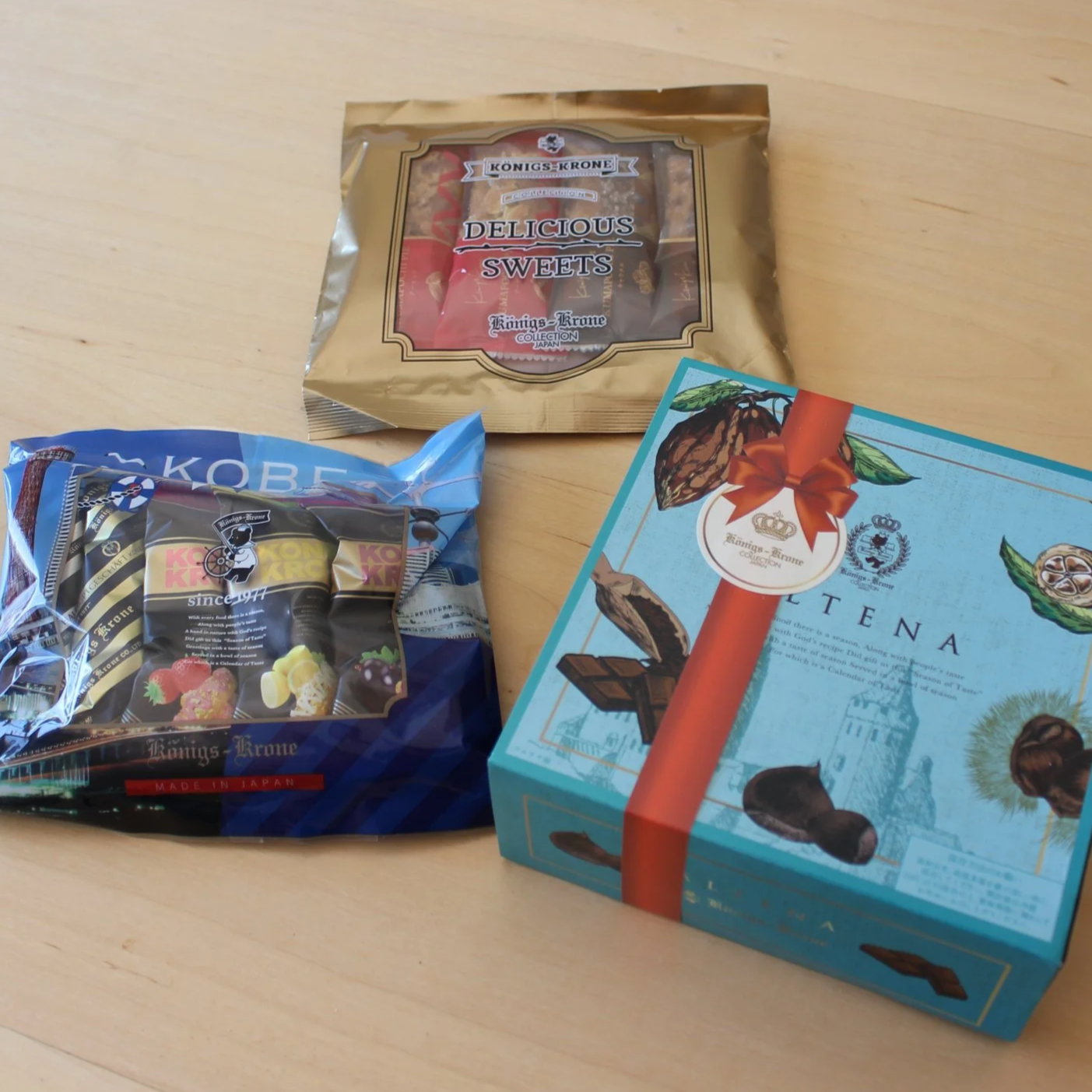
A friend gave some souvenir from Konigs-Krone, German-inspired style sweets. The name means “King's Crown” in German, and they are known for “Altena”, a rich chocolate cake baked with whole chestnuts inside, and the light and crispy puff cookies.
Hiroshima
Hiroshima has a wonderful selection of regional sweets, many of which incorporate local ingredients and reflect the area's food culture. When it comes to souvenirs, Momiji Manju is undoubtedly the most famous, but there are also lesser-known treats worth discovering.
I picked up two different Hiroshima confections on this trip - Momiji Manju and Kawadori Mochi. They have completely different textures and flavors, which made them fun to compare!
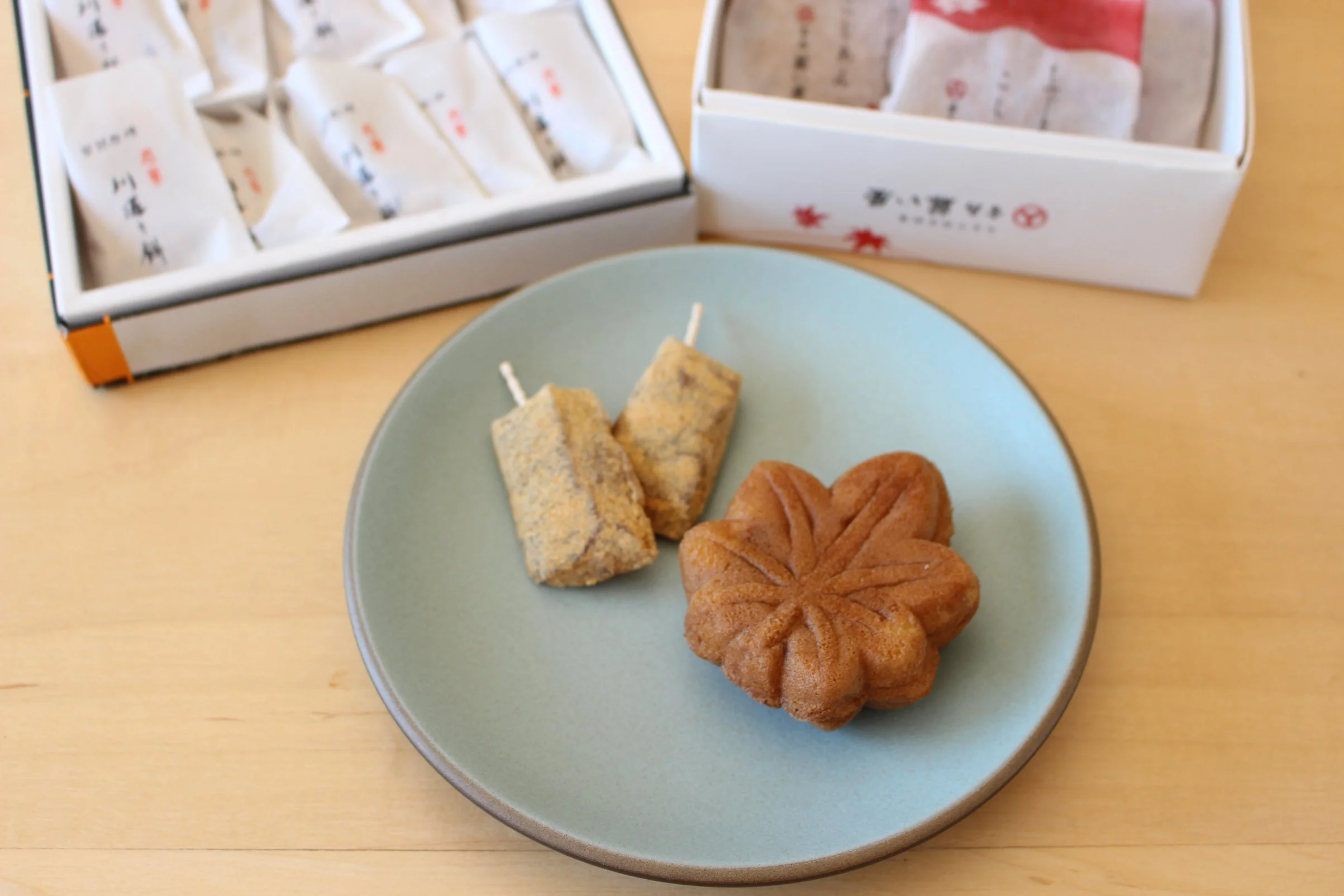
Momiji Manju
If you visit Hiroshima, you'll probably see Momiji Manju everywhere. This famous local sweet is shaped like a Japanese maple leaf, or momiji, which is also the symbol of Hiroshima's Miyajima.
It consists of a soft, fluffy cake filled traditionally with sweet red bean paste. Today, you'll find all kinds of fillings, including custard, chocolate, matcha, and more. It's one of those souvenirs that is both delicious and instantly connected to Hiroshima, making it an easy choice to bring home.
Kawadori Mochi
This one is a lesser-known Hiroshima confection but I always had this every time when my family made a trip to Hiroshima.
It's a soft, chewy mochi sweet made with a sweet filling and coated in roasted soybean flour (kinako). The delicate mochi texture and nutty flavor of the kinako make it a lovely Japanese tea-time treat.
Shimane
Before this trip, I didn't know much about Shimane's sweets, but I quickly discovered that it is a wonderful place to explore traditional Japanese confectionery.
In particular, Matsue city has a deep connection to Japanese tea culture. The city is known as one of Japan's major tea ceremony cities, and that tradition has helped create a rich culture of Wagashi, sweets designed to be enjoyed alongside matcha.
For this trip, I brought home four different sweets from Shimane: Wakakusa, Dojo Sukui Manju, Genjimaki, and Tsuki to Usagi. Each one has its own story and style, and they gave me a fun little introduction to Shimane's confectionery culture.
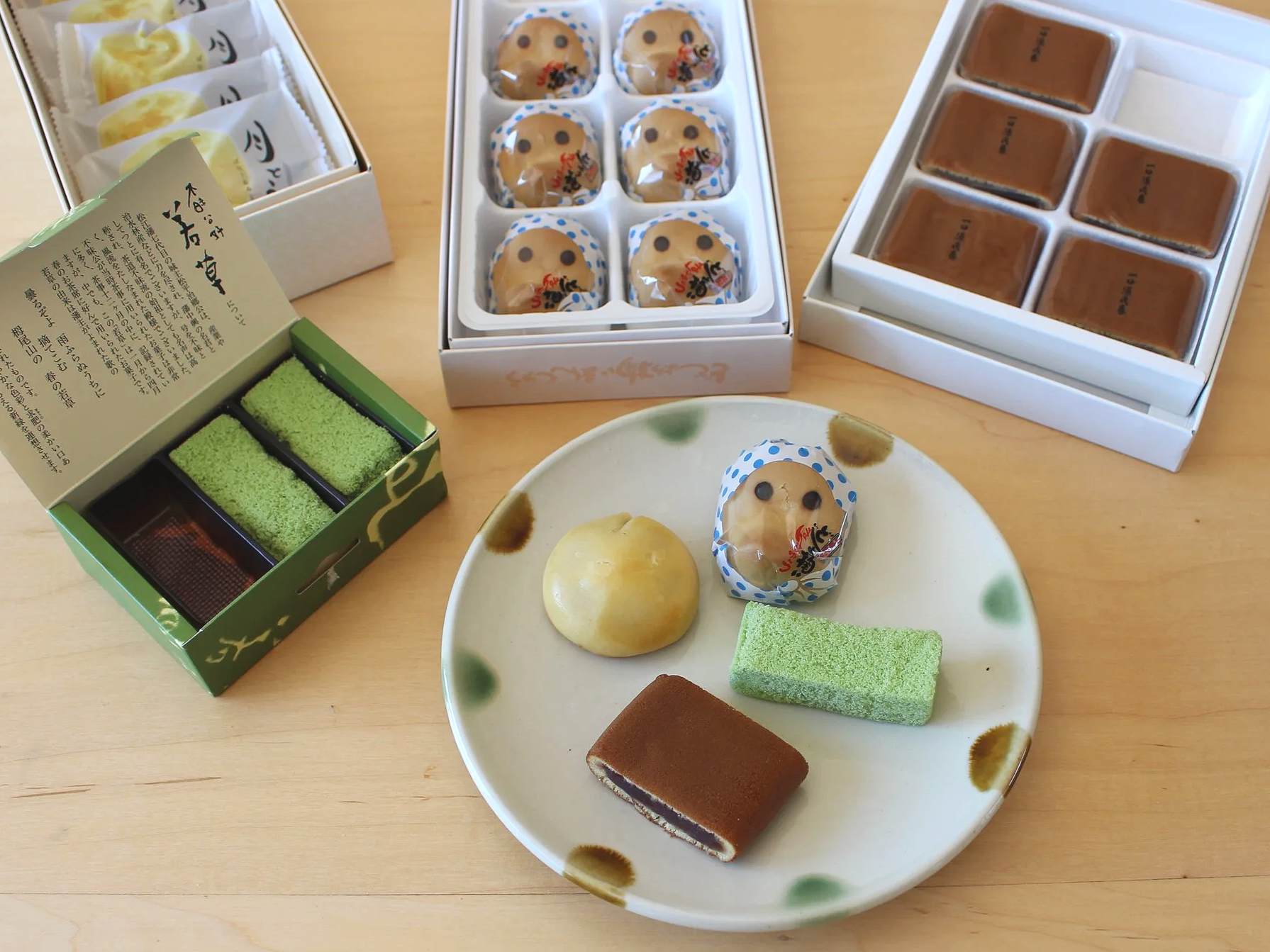
Wakakusa
It is one of Matsue's most famous traditional sweets. It is made with soft, chewy Gyuhi—a type of sweet rice confection—and covered with a layer of green-colored sugar. Its delicate sweetness makes it especially nice with Matcha, which is exactly how I would enjoy it.
Dojo Sukui Manju
This Manju is one of Shimane's most recognizable souvenir sweets. The name comes from Dojo Sukui, meaning “loach scooping,” a traditional folk performance associated with the region.
The manju itself is a small, soft Japanese confection with a sweet filling inside. What makes it especially memorable is its playful shape and packaging, inspired by the character of the traditional dance. It's definitely one of those souvenirs that brings a little bit of Shimane's local culture along with the sweets.
Genjimaki
This beautiful but simple sweet is a classic Shimane confection made with a thin, soft cake wrapped around sweet red bean paste.
The simple combination of fluffy cake and smooth red bean paste makes it a lovely everyday Wagashi. It's also a great example of how Japanese sweets don't need to be complicated to be beautiful and satisfying.
Tsuki to Usagi
It is another charming Shimane sweet that caught my eye as a souvenir.
The name means “Moon and Rabbit,” a familiar image in Japanese culture. The moon and rabbit have long been associated with autumn and moon-viewing traditions in Japan, making the name feel especially fitting for a Japanese confection.
I loved finding sweets like this during my trip because they aren't just something to eat - they also give you a little glimpse into Japanese culture and the stories behind regional souvenirs.
Tokyo
For my Tokyo souvenir, I kept it simple and brought home Yokan, one of Japan's classic traditional sweets.
Yokan is a firm, smooth Japanese confection traditionally made with Azuki red beans, sugar, and agar. It has a dense, jelly-like texture and a gentle sweetness that pairs beautifully with Japanese green tea.
You'll find many varieties of Yokan, from classic Azuki to matcha, chestnut, and seasonal flavors. They are also one of my favorite Japanese sweets to bring home because they are usually individually packaged, beautifully presented, and have a relatively long shelf life.
I picked up this Yokan at Toraya in Tokyo because I wanted to bring home something simple and traditional - something that feels very different from the Western-style sweets I found in Kobe.
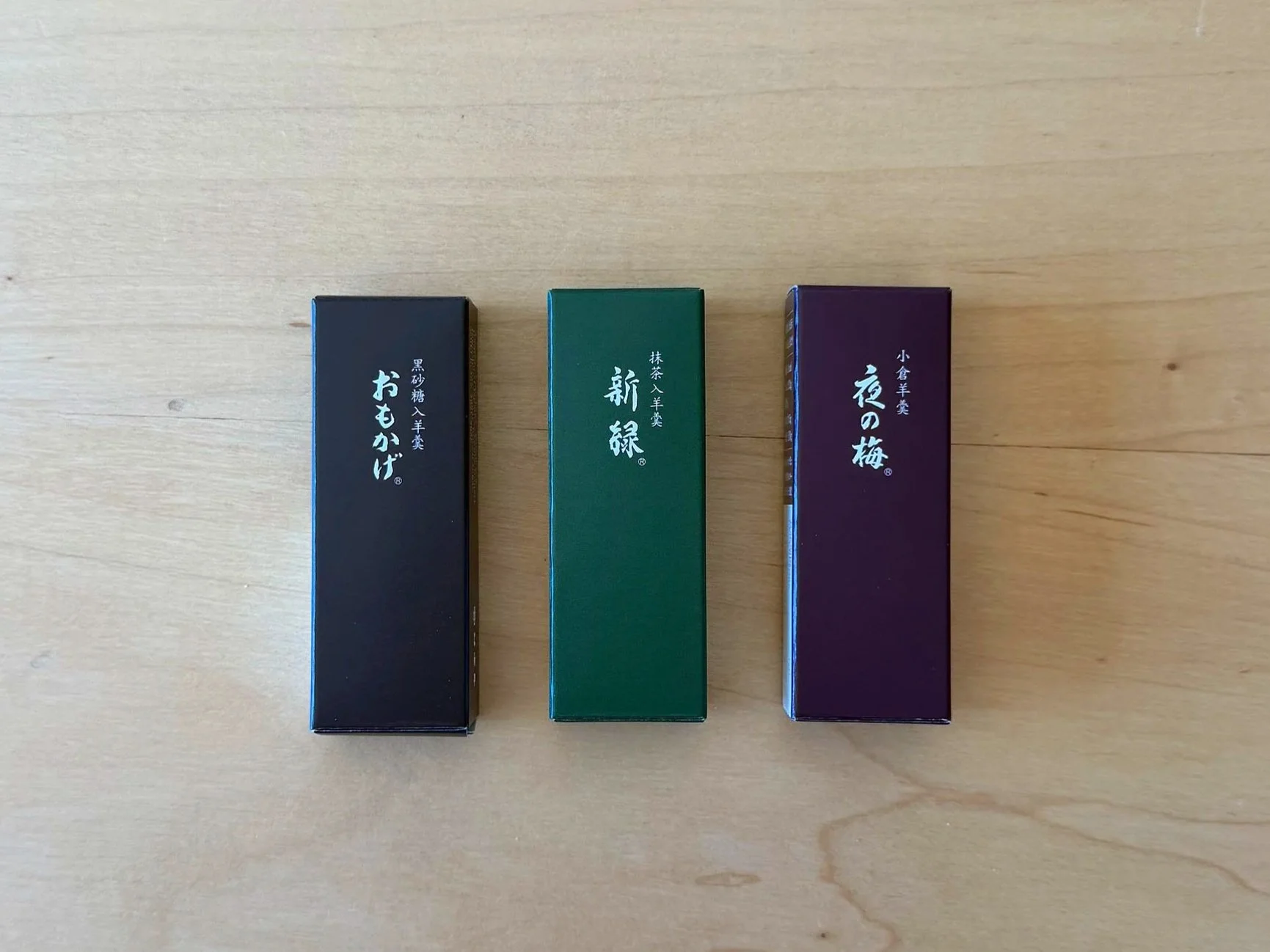
If you're looking for a traditional Japanese sweet that travels well, Yokan is a great choice. Unlike fresh Wagashi, it doesn't need to be eaten right away, so you can enjoy it at home with a cup of green tea and remember your trip to Japan.
Tips for Bringing Japanese Sweets Home
After several trips to Japan, here's what I've learned:
Buy fresh sweets on your last day.
Pack delicate cookies in your carry-on.
Check expiration dates before purchasing.
Individually wrapped treats are the easiest to share.
Bring an insulated bag if traveling during summer and buying chocolate.
Don't limit yourself to airport souvenir shops - department stores and local shops often have the best selection!
Enjoy Japanese Sweets at Home
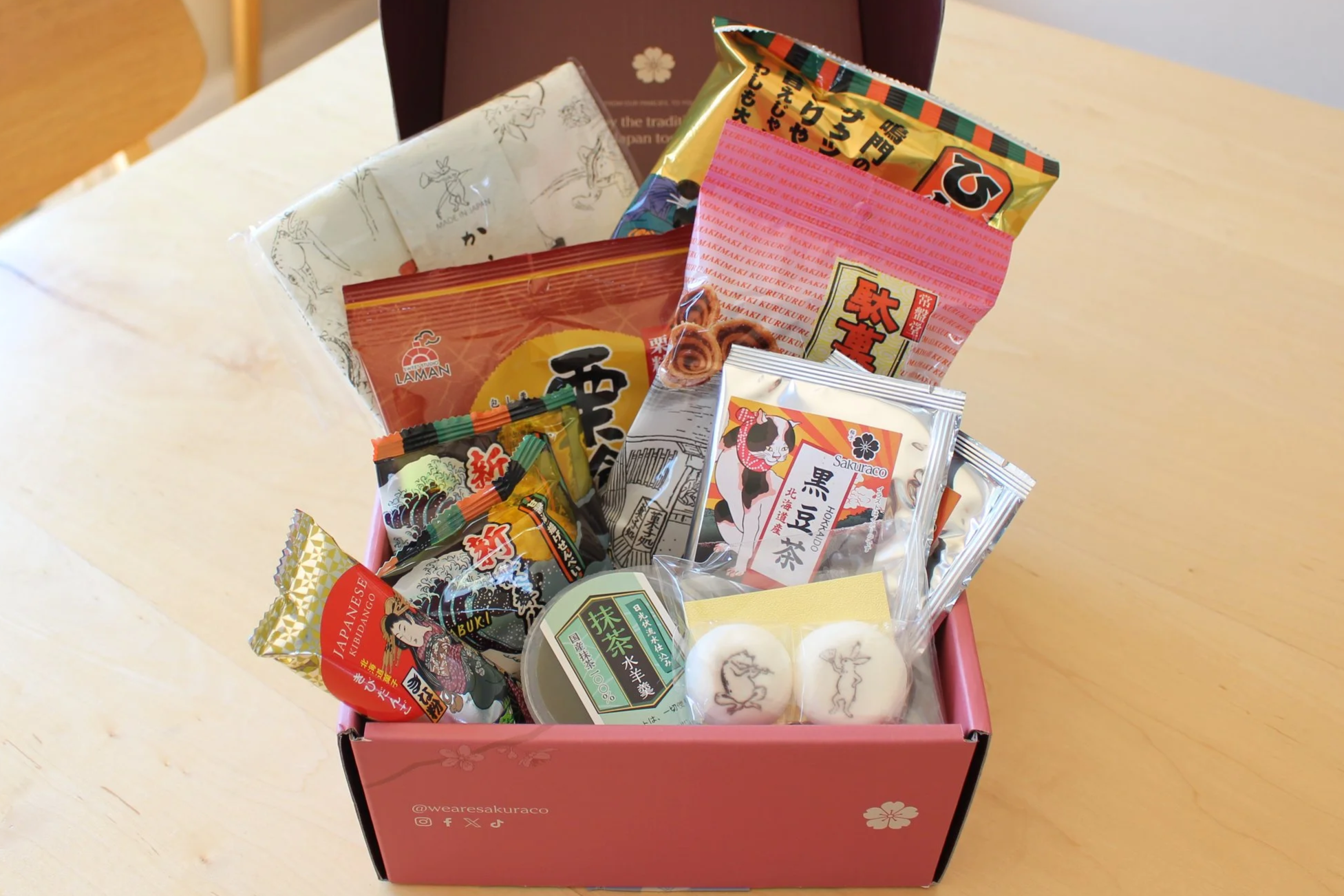
If you loved seeing all the sweets I brought back from Japan but aren't planning a trip anytime soon, Sakuraco is one of my favorite ways to experience regional Japanese treats at home.
Each monthly box features artisan-made sweets, teas, and seasonal snacks sourced from different prefectures across Japan. One of the things I enjoy most is that every box introduces the makers and the stories behind the products, making it feel like a little journey through Japan's food culture.
Many of the traditional wagashi and regional specialties I've discovered while traveling are difficult to find overseas, so a Sakuraco subscription is a fun way to continue exploring Japanese flavors between trips.