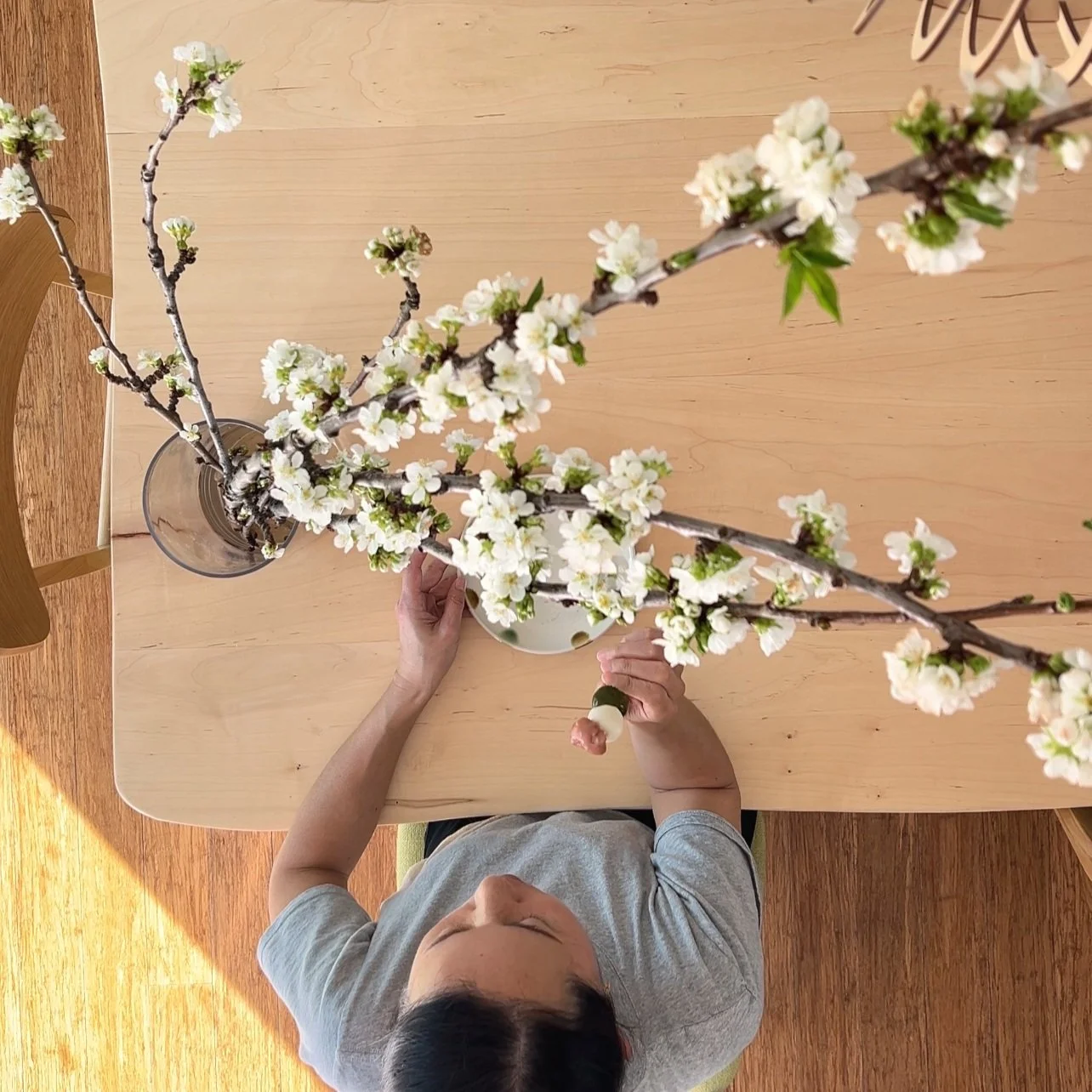
Hanami Dango (Sanshoku Dango) without food coloring
Hanami Dango is one of the most iconic Japanese spring sweets, enjoyed during cherry blossom season across Japan. As sakura begin to bloom, families and friends gather for hanami (flower viewing) picnics under the cherry trees — and no celebration feels complete without these colorful three-colored mochi skewers.
During my college years in Osaka, I looked forward to spring just to experience hanami with friends. My favorite cherry blossom spot was near the Osaka Mint Bureau, where rows of sakura trees created the most breathtaking tunnel of pink blossoms. We would sit beneath the trees, sharing seasonal snacks — and Hanami Dango was always part of our picnic spread.
Simple, nostalgic, and visually beautiful, Hanami Dango captures the spirit of Japanese spring in every bite. Whether you're recreating a hanami picnic at home or simply craving a traditional wagashi, this easy recipe brings a taste of Japan’s cherry blossom season to your kitchen.
The Colors of the Dango
Also known as Sanshoku Dango (three-colored dumplings), Hanami Dango features soft, chewy mochi balls in green, white, and pink, skewered on a bamboo stick. Traditionally made with shiratamako (glutinous rice flour), these dango have a satisfyingly chewy texture and a mild sweetness. The colors are symbolic of spring:
🌸 Pink represents cherry blossoms
❄️ White symbolizes lingering winter snow
🌿 Green reflects fresh spring growth
It’s usually used food coloring, but today I am sharing how to make Hanami Dango naturally – No Artificial Coloring Needed!
Tips for the Best Hanami Dango
Use Shiratamako for the best chewy texture. If unavailable, you can substitute it with mochiko, but the texture will be slightly different.
If the dough feels too dry, add a teaspoon of water at a time until it becomes smooth and pliable.
Hanami Dango tastes best fresh, but you can store them in an airtight container at room temperature for a few hours before serving.
RECIPE
Servings: 5-6 sticks
Time: 30 minutes
Ingredients:
1 cup Shiratamako flour (glutinous rice flour)
1/2 cup water
1 1/2 tbsp sugar
1/2 cup freeze-dried strawberries (I bought it at Trader Joe’s)
1 tbsp matcha powder
Instructions:
Prepare the Cooking Water
Fill a pot with water and bring it to a boil. This will be used for cooking the dango balls.
Grind the Strawberries
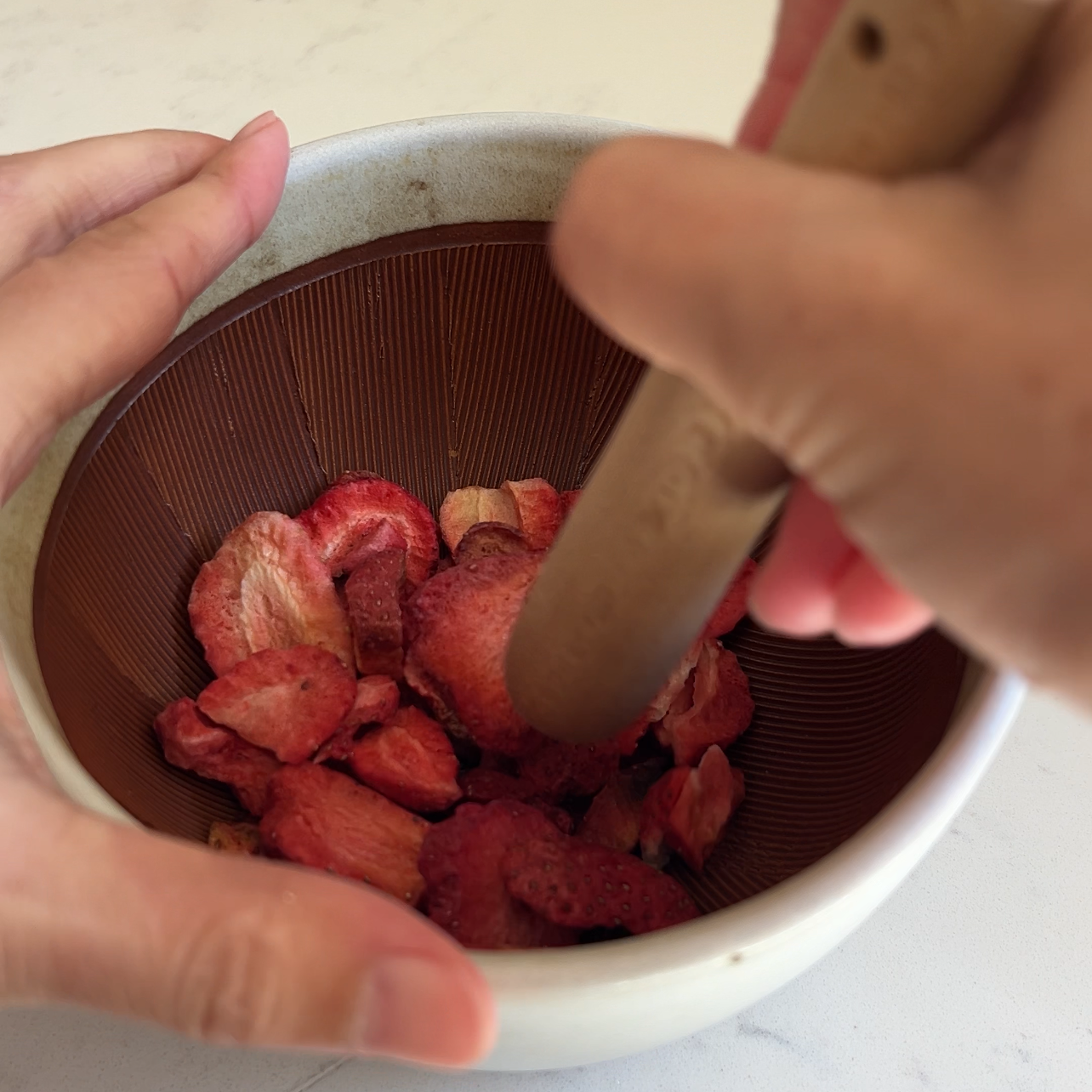
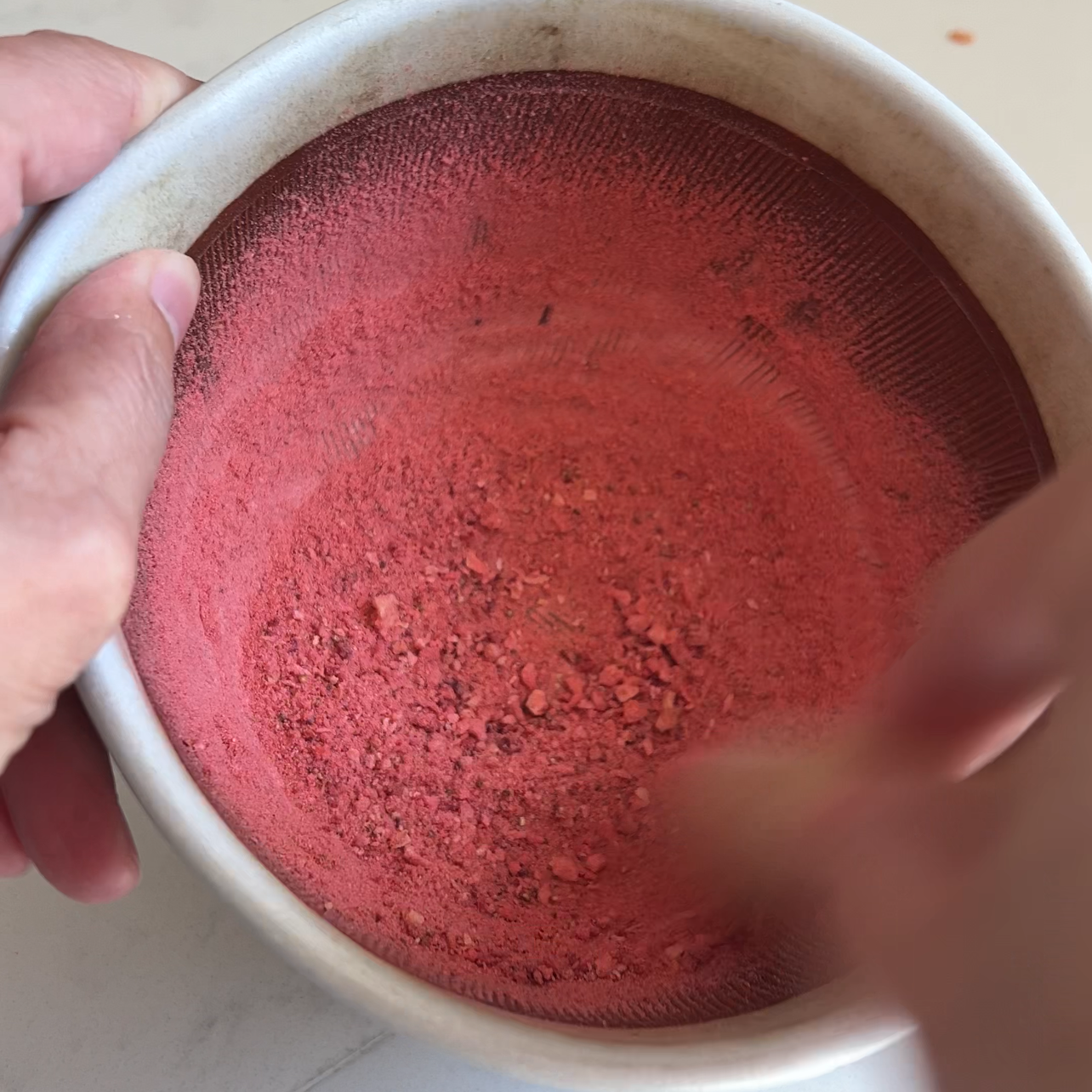
Using a food processor or mortar and pestle, grind the freeze-dried strawberries into a fine powder.
Make the Dango Dough
In a mixing bowl, combine the Shiratamako and sugar.
Gradually add water while kneading until a smooth, pliable dough forms.
Divide the Dough
Split the dough into three equal portions.
Color the Dough
Leave one portion plain for the white dango.
Mix the second portion with the ground freeze-dried strawberry powder to create pink dango.
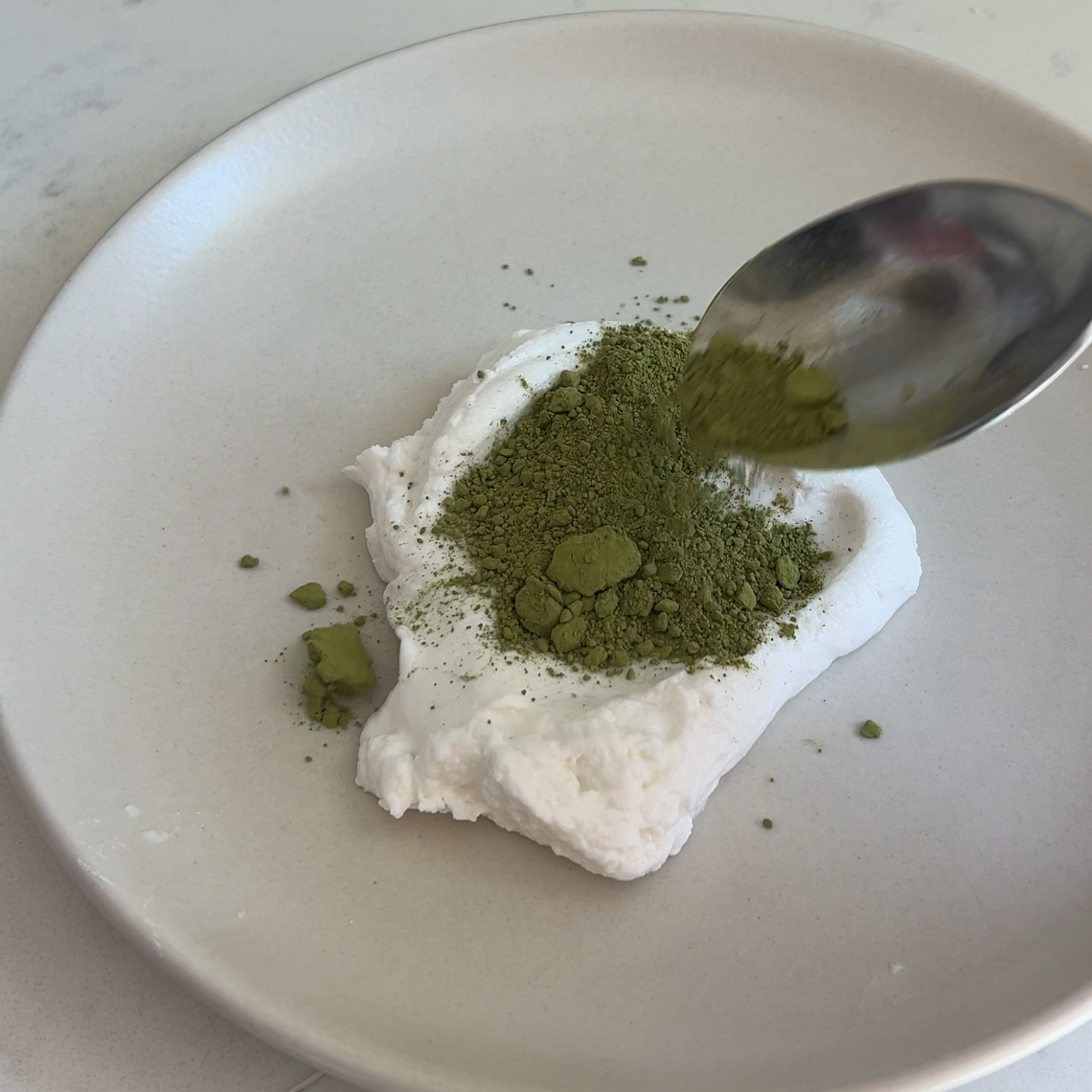
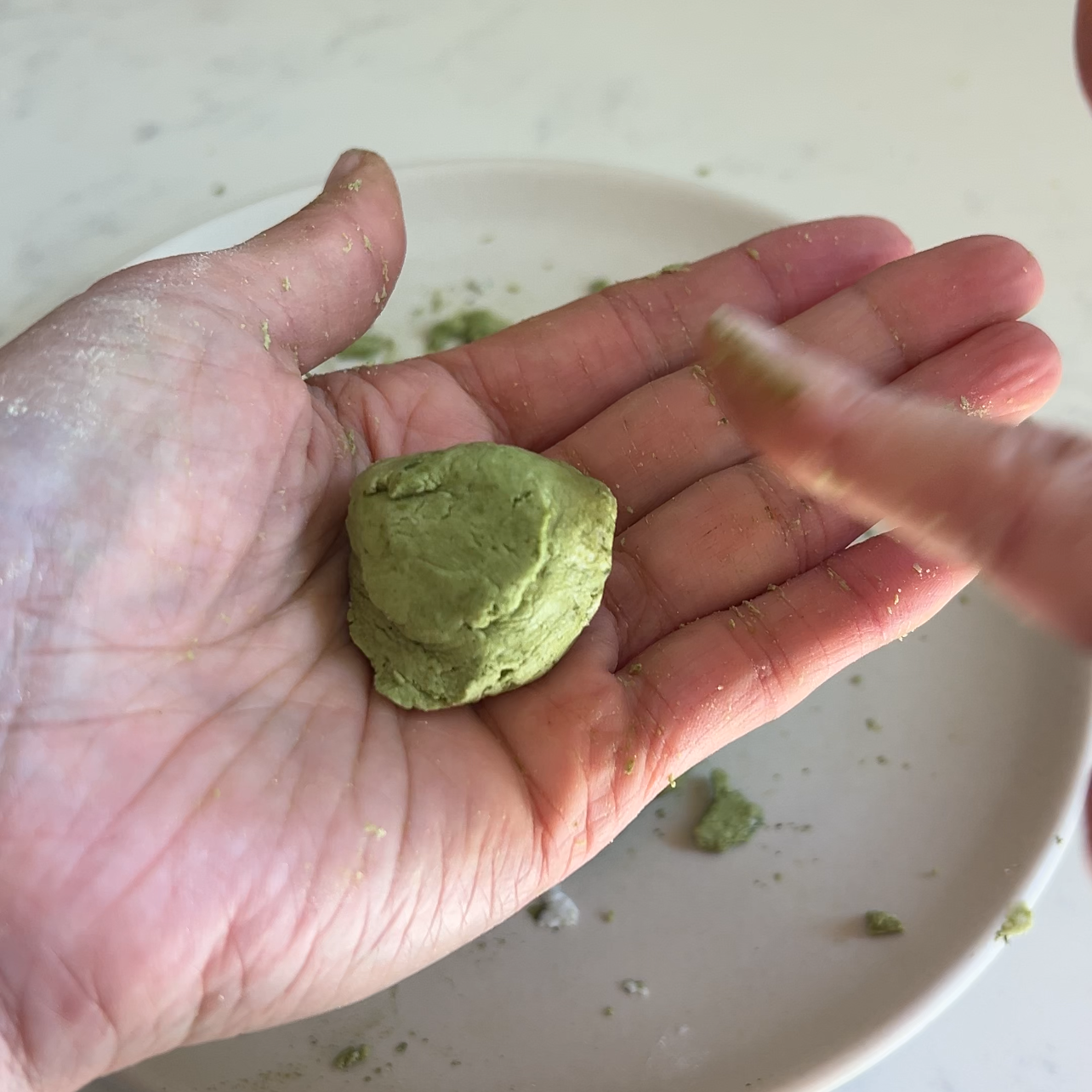
Mix the third portion with matcha powder to create green dango.
Shape the Dango
Divide each colored dough into 5-6 equal pieces and roll them into small balls.
Cook the Dango:
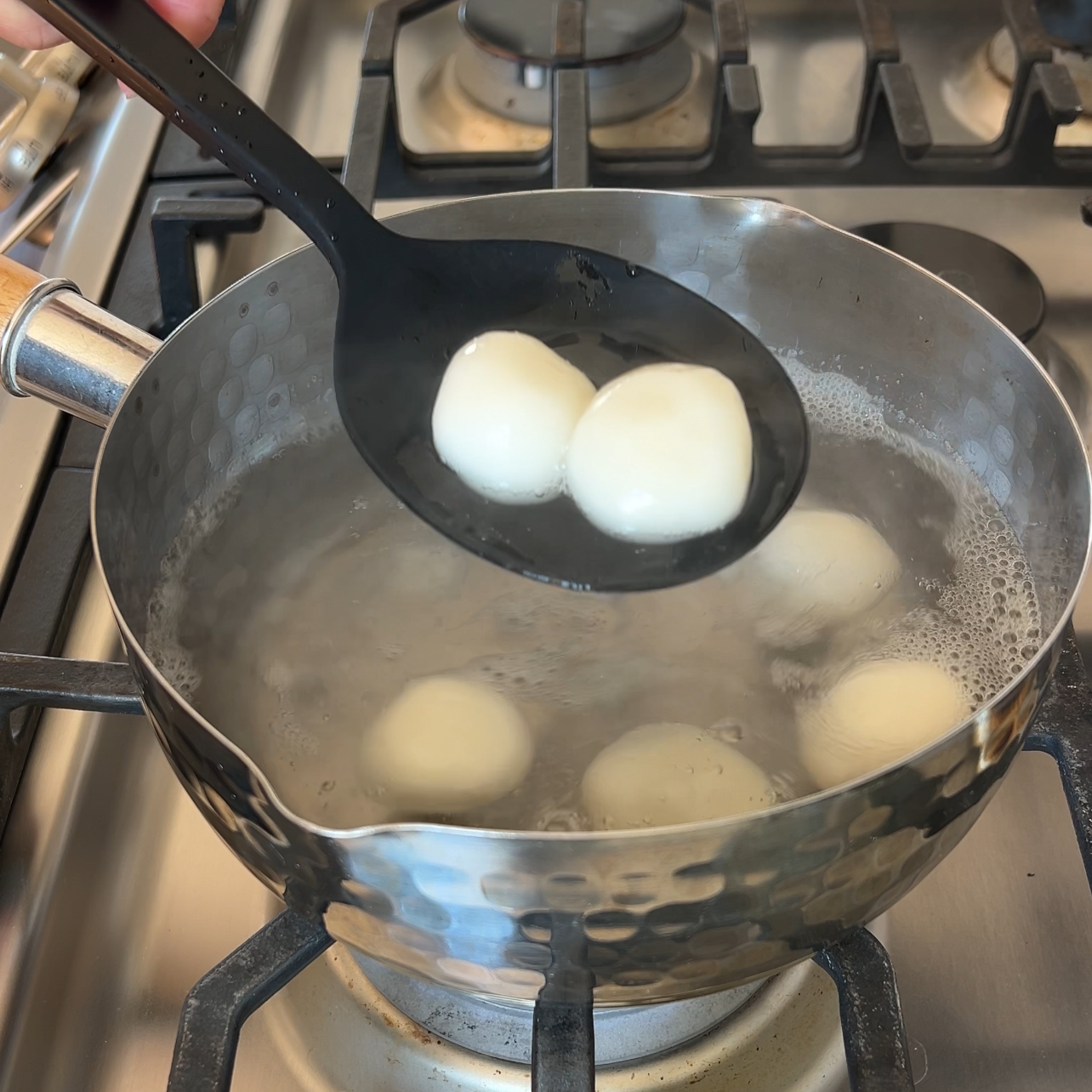
Start by boiling the white dango balls.
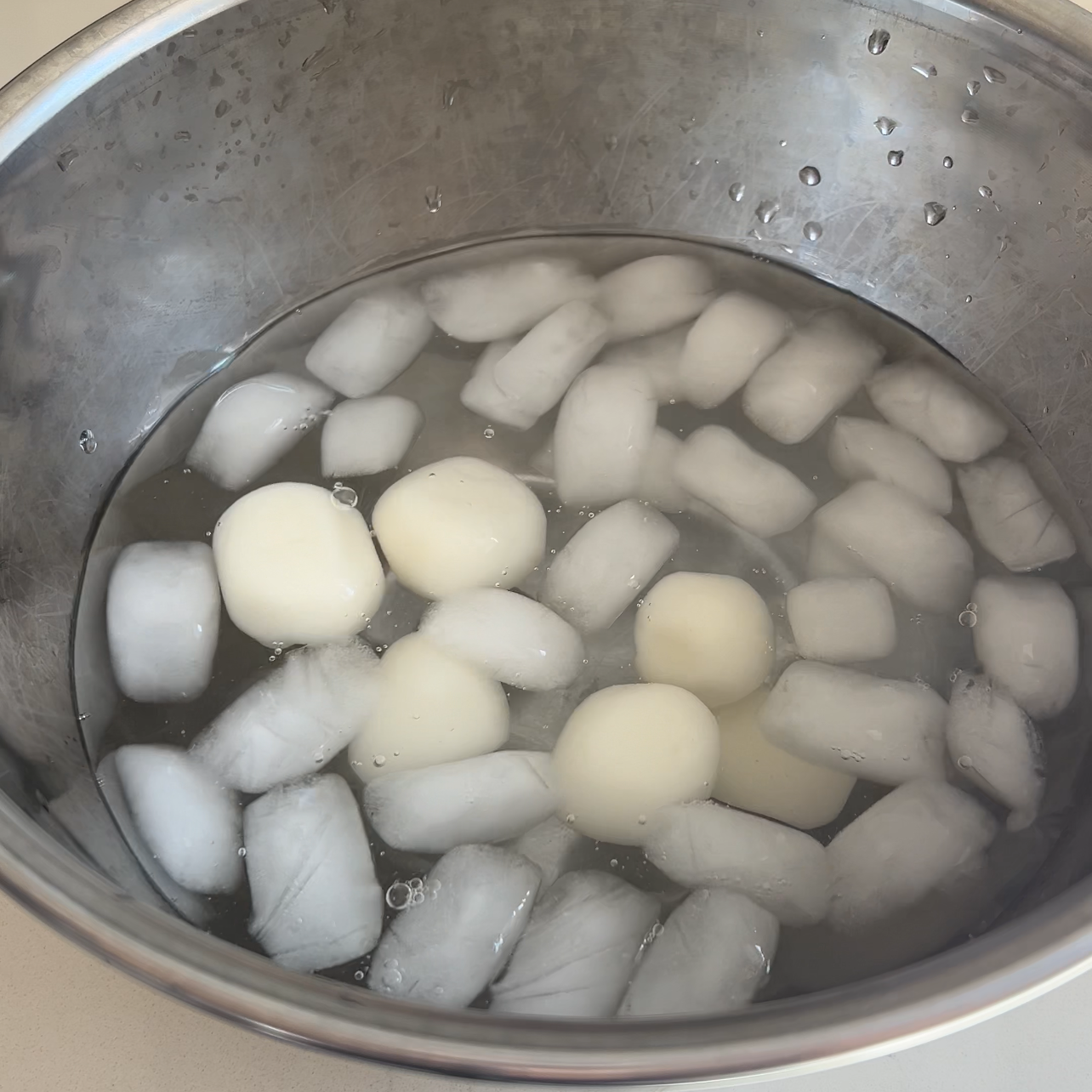
Once they float to the surface, scoop them out and transfer them to an ice bath.
Repeat the process with the green matcha dango and then the pink strawberry dango.
Assemble the Skewers:
Thread the dango onto bamboo skewers in the traditional order—green at the bottom, white in the middle, and pink on top.
FAQ
What is Hanami Dango?
Hanami Dango is a traditional Japanese sweet made of chewy rice dumplings (mochi) skewered on a stick. It is especially enjoyed during cherry blossom season (hanami) and is known for its three colors: pink, white, and green.
What is the difference between Shiratamako and Mochiko?
Both are glutinous rice flours, but Shiratamako creates a softer, smoother, and more elastic texture, while Mochiko results in a slightly denser and chewier bite. Shiratamako is preferred for authentic dango.
Can I make Hanami Dango without food coloring?
Yes! This recipe uses natural ingredients like freeze-dried strawberries for pink and matcha powder for green, making it a great natural alternative to artificial coloring.
How do you know when dango is cooked?
Dango is ready when the balls float to the surface of boiling water. After that, transfer them to an ice bath to achieve the perfect chewy texture.
How long does Hanami Dango last?
Hanami Dango is best enjoyed fresh on the same day. You can store it at room temperature in an airtight container for a few hours, but refrigeration may harden the texture.
Can I make Hanami Dango ahead of time?
You can prepare it a few hours in advance, but avoid making it too early as the texture becomes firm over time. If needed, lightly reheat to soften before serving.
Is Hanami Dango gluten-free?
Yes, Hanami Dango is naturally gluten-free since it is made from glutinous rice flour (which contains no wheat gluten).
What does Hanami Dango taste like?
It has a mildly sweet flavor with a soft, chewy texture. The matcha adds a slight bitterness, while the strawberry brings a fruity sweetness.
What can I serve with Hanami Dango?
It pairs beautifully with Japanese green tea, especially matcha or sencha, for a traditional springtime experience.
Japanese Sweets Recipes:
If you love traditional Japanese sweets, try this easy daigakuimo recipe for a classic sweet potato snack.
For another chewy mochi dessert, check out my sweet potato mochi recipe.
You might also enjoy this Japanese strawberry shortcake (Christmas cake) inspired dessert.
If you love matcha desserts, don’t miss this matcha chocolate cake recipe.