Savory Kitsune Soba Recipe for Your Quick Meal
There’s something incredibly comforting about a warm bowl of soba noodles, especially when topped with juicy and flavorful simmered Abura-age. Kitsune Soba is one of those simple Japanese noodle dishes that feels cozy, satisfying, and easy enough to make anytime you need a quick homemade meal.
You may recognize abura age from Inari Sushi, where sweet and savory tofu pockets are stuffed with sushi rice. But in this dish, the simmered tofu becomes the perfect topping for warm soba noodles. The sweet soy-seasoned flavor soaks into the broth beautifully and pairs wonderfully with the nutty taste of buckwheat noodles.
This became one of my favorite quick lunches because it comes together in only 15 minutes while still tasting comforting and homemade. It’s also a great option for Toshikoshi Soba, the Japanese New Year’s Eve soba tradition that symbolizes letting go of the past year and welcoming the new one.
What is Kitsune Soba?
In Japanese, “kitsune” means fox. The dish is named after the seasoned abura age (inari age) topping because there’s a Japanese folklore belief that foxes love fried tofu.
Kitsune Soba is made with soba noodles served in a warm dashi-based broth and topped with simmered fried tofu pockets. It’s a classic Japanese comfort food that’s simple yet packed with umami flavor.
Why Is It Called "Kitsune"?
The name "Kitsune," meaning "fox," is rooted in Japanese folklore and cultural symbolism. Here’s why this dish is associated with foxes:
1. Foxes and Abura-age
Legend has it that foxes love Abura-age. In Japanese mythology, foxes (kitsune) are often depicted as intelligent and mystical creatures, sometimes serving as messengers for the deity Inari, who is associated with rice and agriculture. Offerings of Abura-age were commonly made at Inari shrines, as it was believed to be a favorite food of these divine foxes. Over time, dishes featuring Abura-age came to be associated with the word "kitsune."
2. Folklore Connections
Foxes are also seen as shape-shifters in Japanese folklore, able to disguise themselves as humans. The dish’s name could symbolize the playful and mysterious nature of foxes, with the Abura-age serving as a humble yet transformative ingredient that elevates the simple soba noodles into something magical.
3. Color Symbolism
The golden-brown hue of fried Abura-age resembles the color of a fox’s fur, making the connection even more visually apparent.
Why You’ll Love This Recipe
Ready in just 15 minutes
Comforting and light
Great for busy lunches or easy dinners
Uses simple Japanese pantry ingredients
Perfect for New Year’s Eve soba tradition
RECIPE
Servings: 2
Time: 15 min
Ingredients:
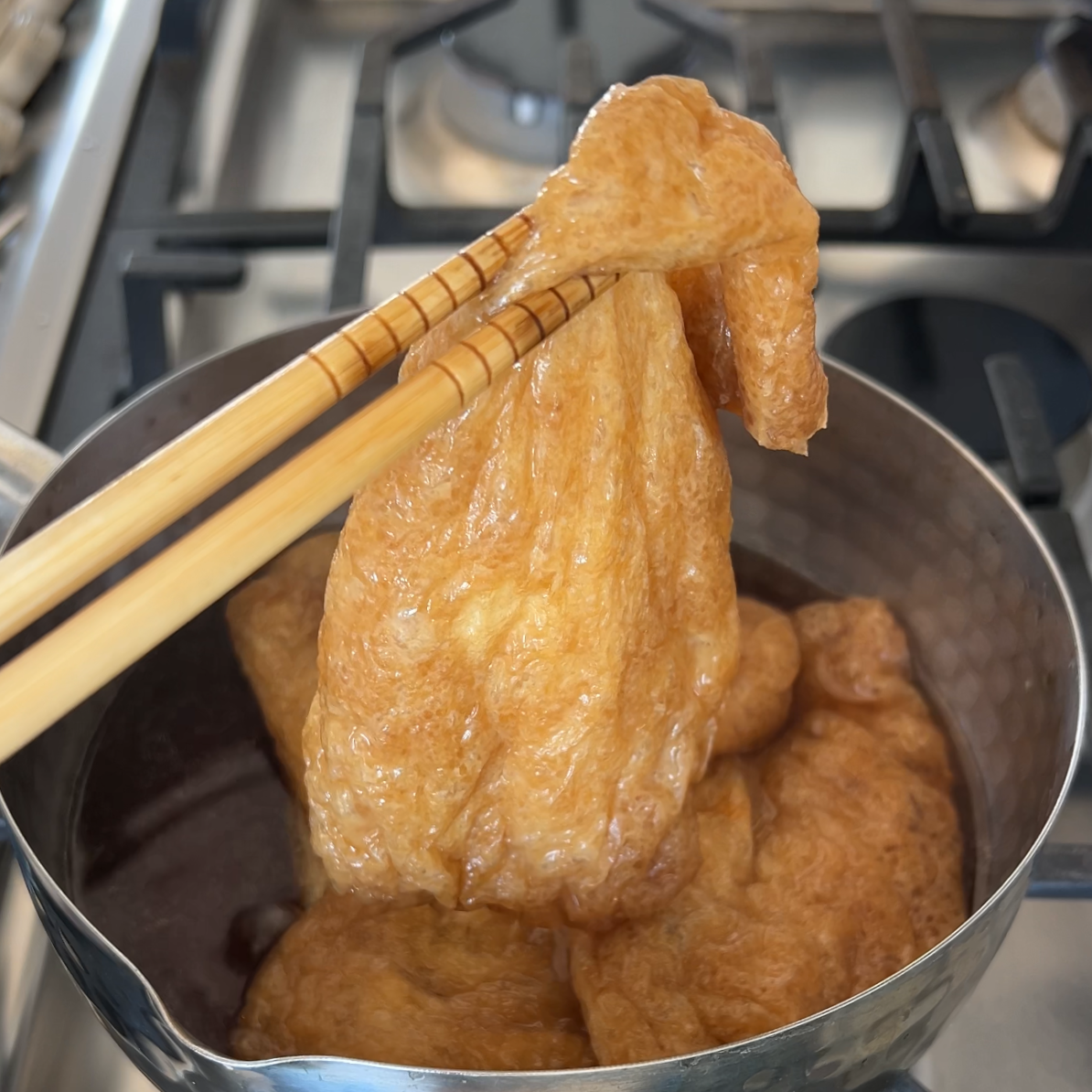
4-6 pcs inari age (simmered tofu pouches), recipe is here
2 servings soba noodles
1/4 cup mentsuyu (Japanese noodle soup base)
2 cups water
green onions, chopped
ginger, grated
Instructions:
Cook the Soba Noodles
Boil water in a pot and cook the soba noodles according to the package instructions.
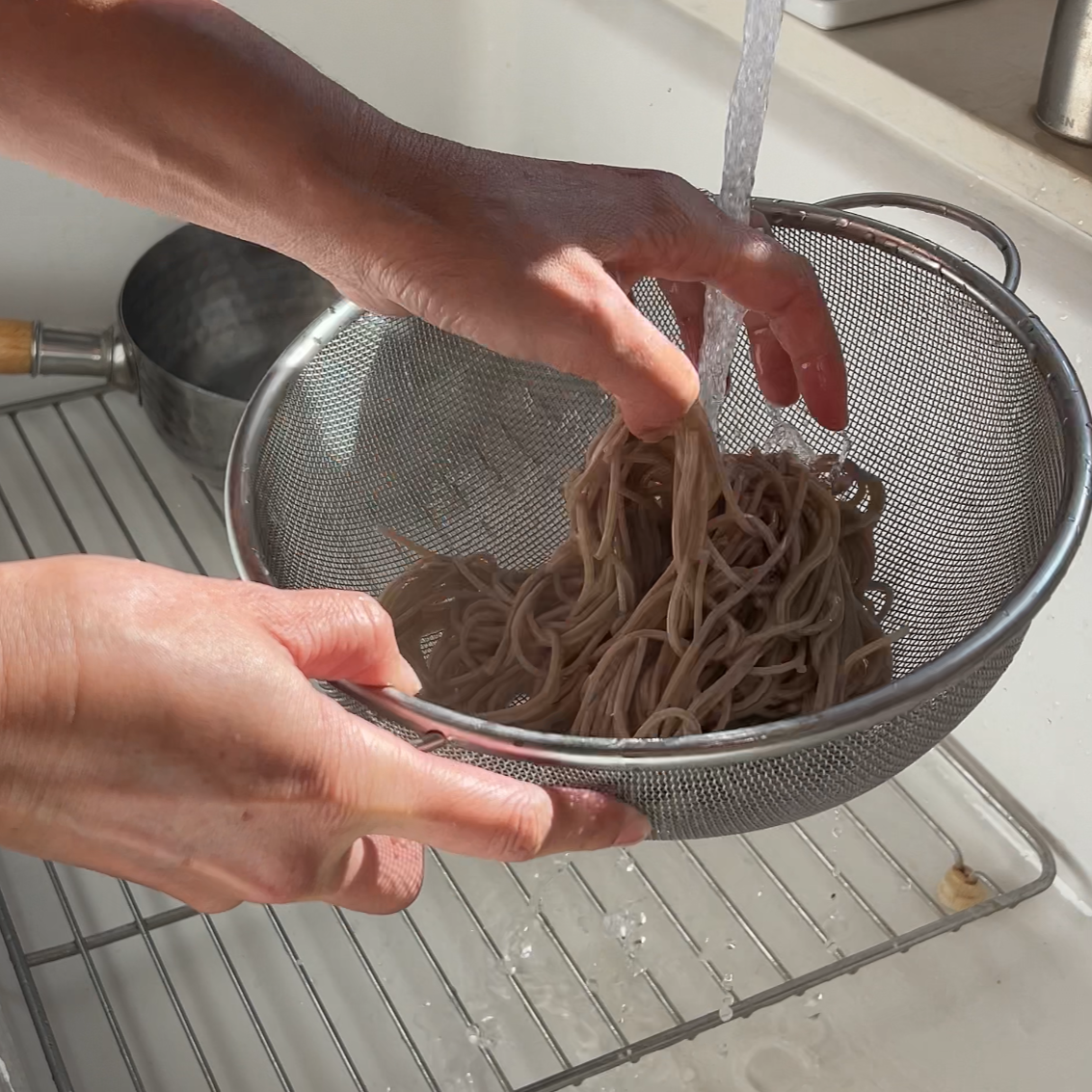
Drain the noodles, rinse under running water.
Prepare the Soup Base
In a separate pot, boil 2 cups of water.
Mix in the mentsuyu.
Assemble the Kitsune Soba
Add the cooked soba noodles to the bowl.
Pour in the soup base.
Top with the simmered abura-age and garnish with chopped green onions.
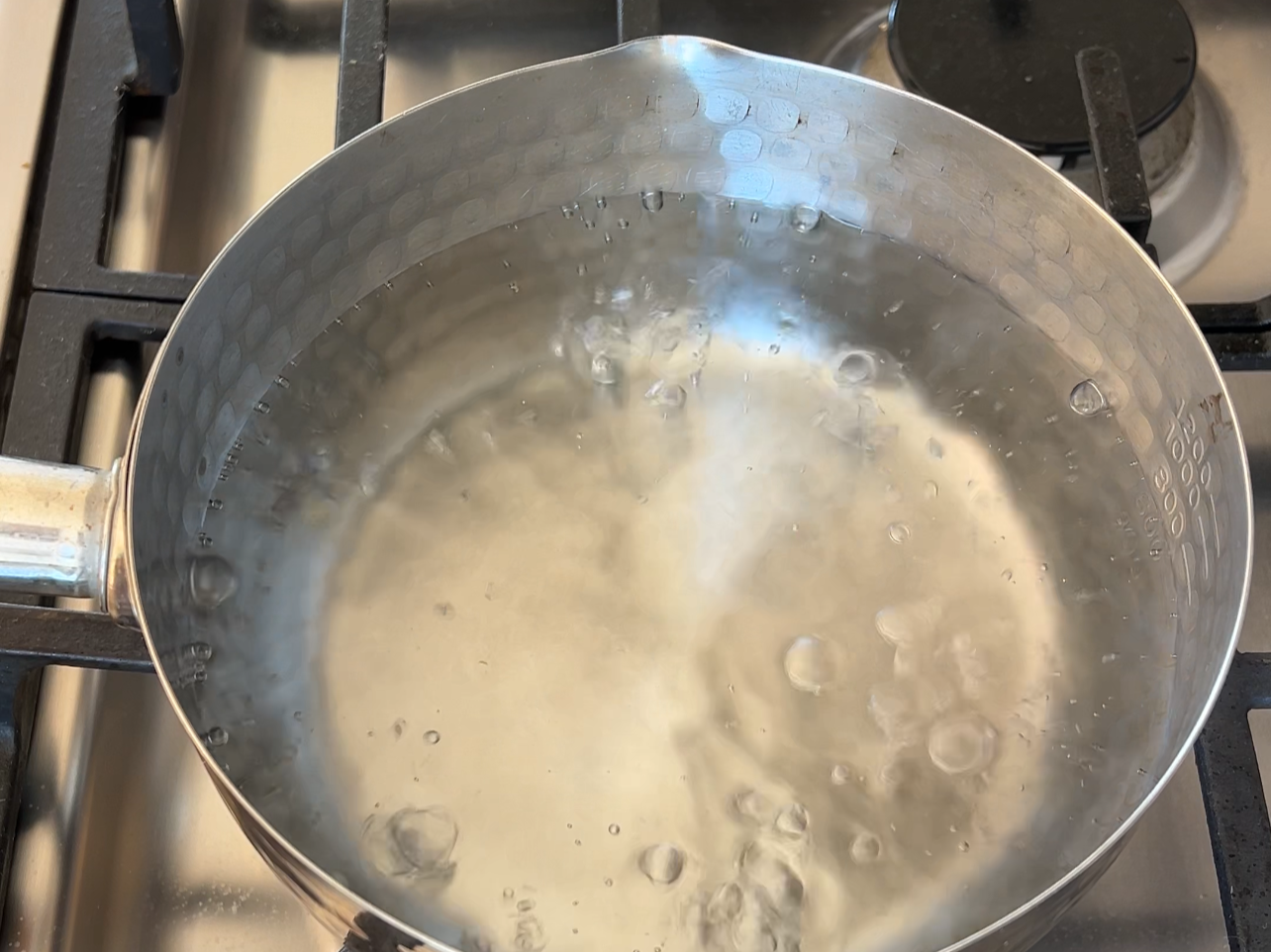
Yukihira Pot for any 1-2 serving noodle cooking
FAQ
What is the difference between Kitsune Udon and Kitsune Soba?
Kitsune Udon uses thick wheat udon noodles, while Kitsune Soba uses buckwheat soba noodles. Both are topped with inari age.
Can I make Kitsune Soba ahead of time?
You can prepare the inari age in advance and store it in the refrigerator. Cook the soba noodles fresh before serving for the best texture.
What does mentsuyu taste like?
Mentsuyu is a Japanese noodle soup base made with soy sauce, dashi, mirin, and sugar. It has a savory umami flavor with slight sweetness.
Is Kitsune Soba healthy?
Soba noodles are often considered a lighter noodle option because they contain buckwheat, which provides nutrients and fiber.
Can I eat Kitsune Soba cold?
Yes! You can serve soba noodles chilled with dipping sauce and top them with sliced Abura-age for a refreshing summer meal.
You May Also Like
How to Make Homemade Inari Age - recipe is here
Delicious Japanese Lunch Recipe - try my Karaage Bento Recipe
Japanese Noodle Recipes You Can Make at Home - try my popular Sesame Noodle Soup
Chicken Negi Dipping Soba is also easy to make