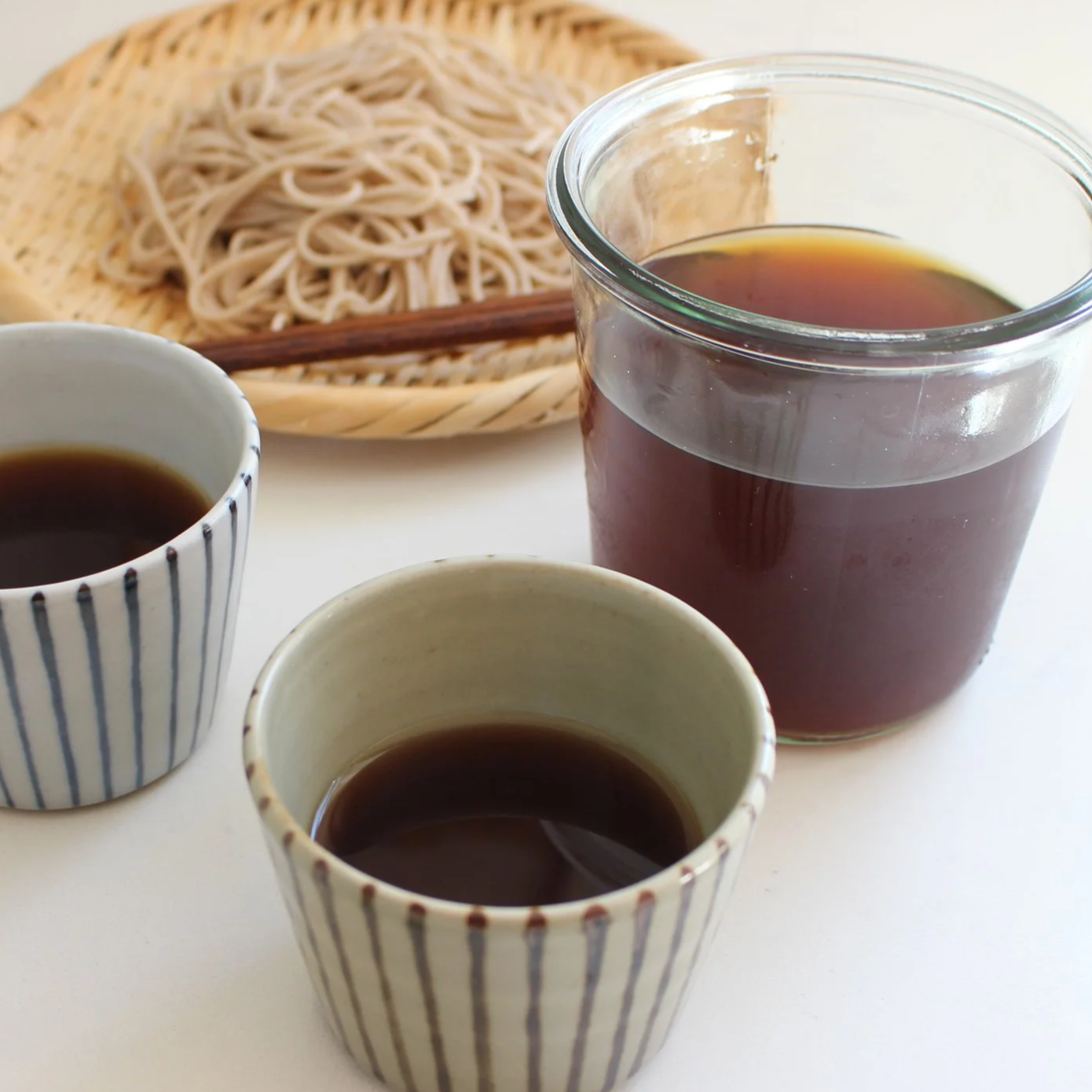
Homemade Japanese Mentsuyu Basic Japanese Noodle Dipping Sauce
Making homemade mentsuyu (めんつゆ) is easier than you might think! This basic Japanese noodle dipping sauce is made with just five ingredients: water, kombu (dried kelp), bonito flakes, soy sauce, and mirin.
The secret to delicious homemade mentsuyu is building layers of umami from kombu and bonito flakes. Unlike store-bought versions, this homemade sauce has a fresh, delicate dashi flavor that makes a simple bowl of cold soba or udon taste extra special.
I love keeping a batch in the refrigerator, especially during the warmer months when cold noodles are an easy go-to meal. You can serve it straight from the fridge as a dipping sauce or dilute it with water to make a warm noodle broth.
Once you try making mentsuyu from scratch, you may be surprised by how much flavor you can get from such simple ingredients!
What Is Mentsuyu?
Mentsuyu (めんつゆ) is a traditional Japanese sauce commonly used for noodle dishes. It's made with dashi, soy sauce, and mirin, creating a savory, slightly sweet flavor with plenty of umami.
It's especially popular as a dipping sauce for cold soba and somen noodles, but it can also be used for udon, tempura, and other Japanese dishes.
This recipe makes a flavorful sauce that can be used as is for dipping cold noodles or diluted with water for a warm noodle soup.
Ingredients for Homemade Mentsuyu
This recipe makes approximately 5–6 servings of noodle dipping sauce.
Water: The base for the dashi.
Kombu (dried kelp): Adds natural umami and depth of flavor to the broth.
Bonito flakes (katsuobushi): Give the sauce its distinctive savory aroma and rich dashi flavor.
Soy sauce: Adds saltiness and a deep, savory flavor.
Mirin: A Japanese sweet rice wine that adds mild sweetness and balances the saltiness of the soy sauce.
For the best flavor, use Japanese soy sauce, hon-mirin, and thinly shaved bonito flakes if available.
How to Use Homemade Mentsuyu
One of the best things about homemade mentsuyu is how versatile it is.
For cold soba, somen, or udon: Use the sauce straight from the refrigerator as a dipping sauce. No dilution is necessary for this recipe.
For hot noodle soup: Mix 2/3 cup of mentsuyu with 2/3 cup of water. Heat the mixture, or use boiled water and pour it over your cooked noodles. This creates a savory broth with a pronounced soy sauce flavor.
For tempura dipping sauce: Serve this mentsuyu as a dipping sauce, adjusting it with a little water if you prefer a milder flavor.
For Japanese home cooking: Use it as a seasoning base for simmered vegetables, tofu, donburi dishes, or other dishes that benefit from a combination of dashi, soy sauce, and sweetness.
How to Store Homemade Mentsuyu
Store homemade mentsuyu in a clean, airtight container in the refrigerator and use it within approximately 5–6 days.
Because this recipe doesn't contain preservatives, keep it refrigerated and avoid leaving it at room temperature for extended periods. For the best quality, always use a clean utensil when serving.
If you make a larger batch, consider freezing small portions for convenient future use.
Tips for Making the Best Mentsuyu
Soak the kombu first. A 30-minute soak helps extract its umami before heating.
Don't boil the kombu vigorously. Remove it just before the water reaches a full boil for a clean-tasting dashi.
Simmer the bonito flakes gently. Five to six minutes is enough to develop a rich, savory flavor.
Don't strain the bonito flakes too early. Letting them steep as the sauce cools helps build flavor.
Press the bonito flakes when straining. This helps you get the most out of your homemade dashi.
RECIPE
Servings: 5-6 as dipping sauce
Time: 50 minutes
Ingredients:
2 cups water
3–5 g, about 3×3 inch kombu (dried kelp)
1/3 cup soy sauce
1/3 cup mirin
Instructions:
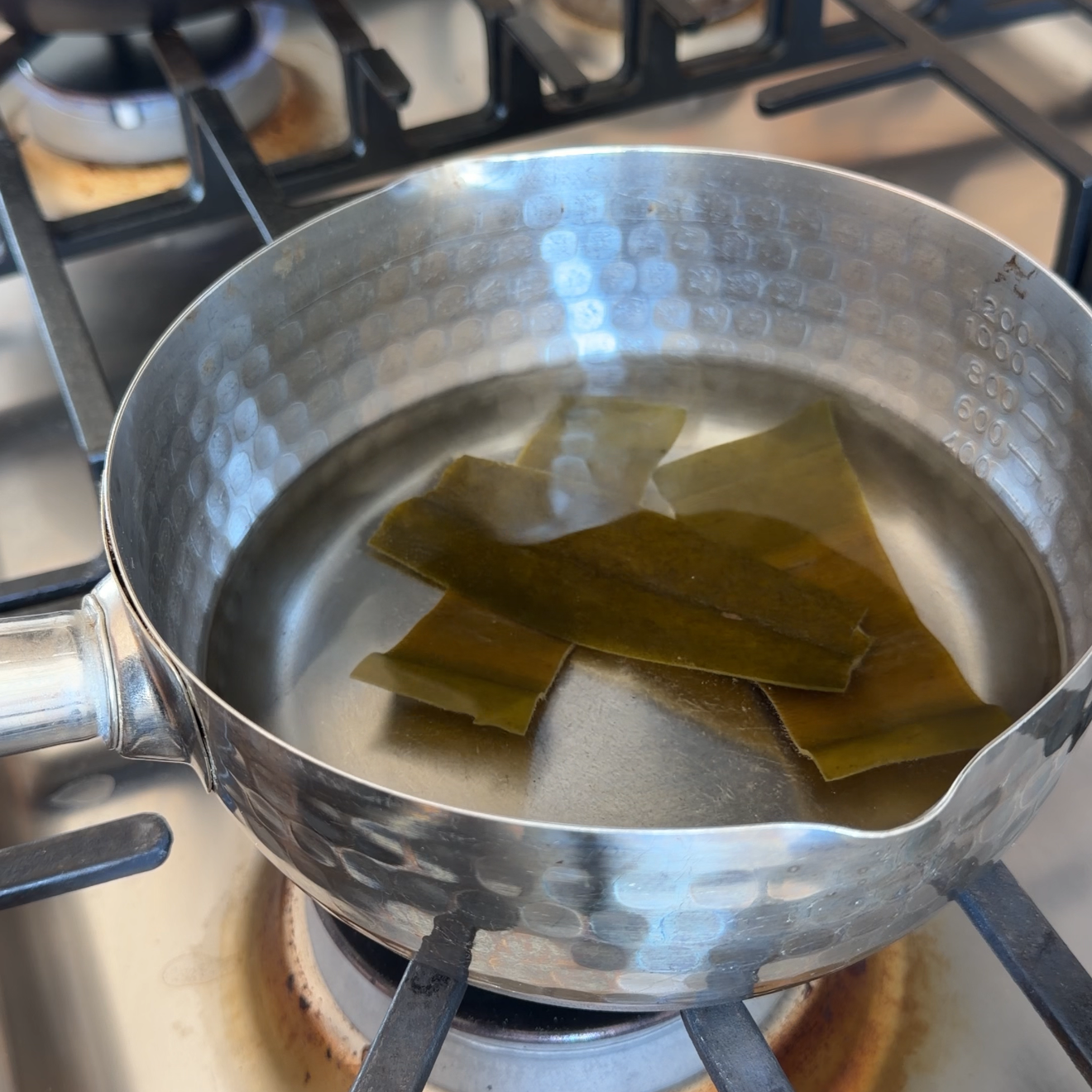
Soak the kombu
Add the water and kombu to a saucepan.
Let the kombu soak for about 30 minutes to help release its natural umami into the water.
Heat the kombu and water
After soaking, place the saucepan over medium-low heat.
Heat the water slowly until it is just about to boil.
Remove the kombu before the water reaches a full boil.
Add the ingredients
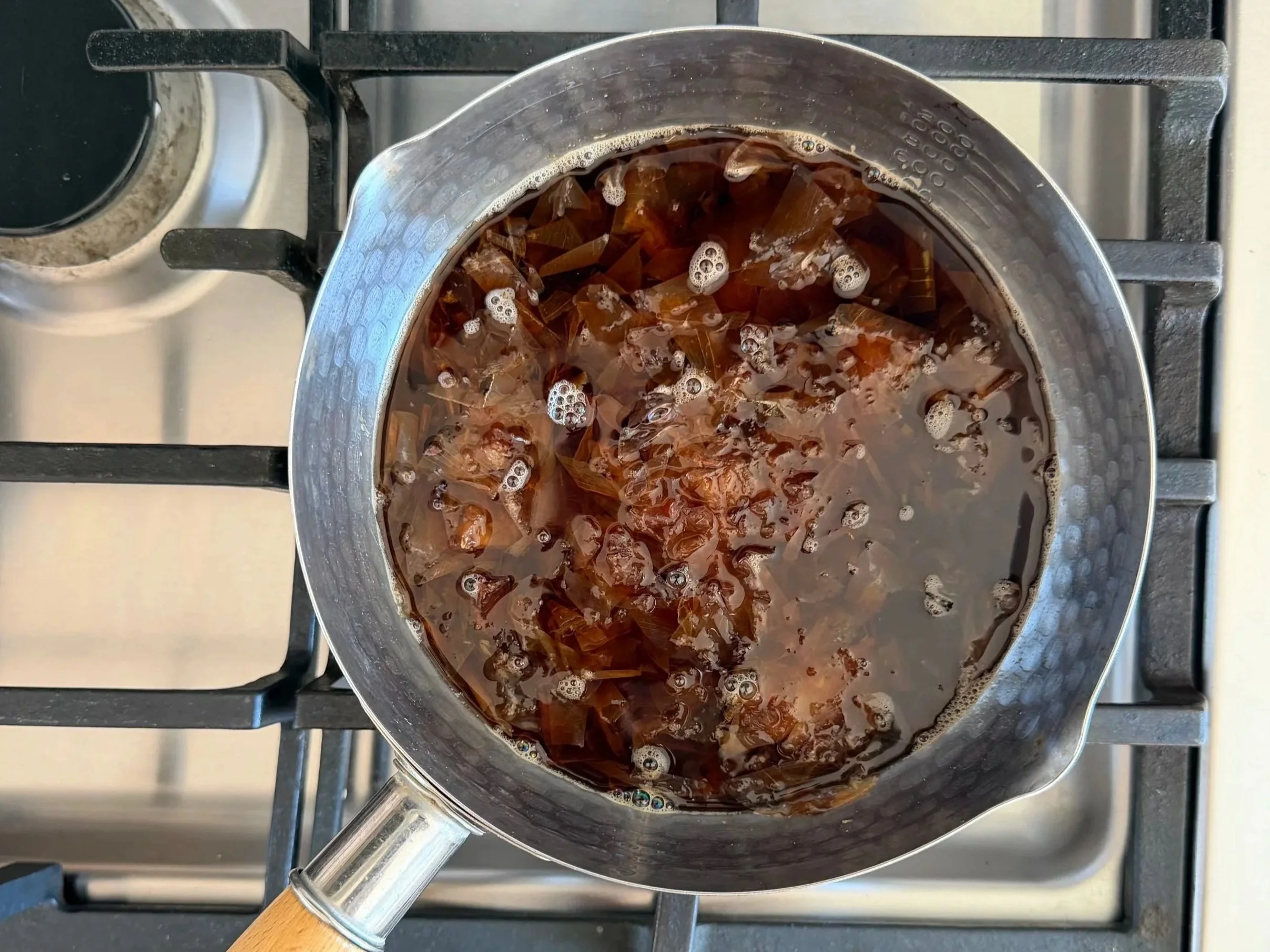
Add the soy sauce and mirin to the saucepan and bring the mixture to a boil.
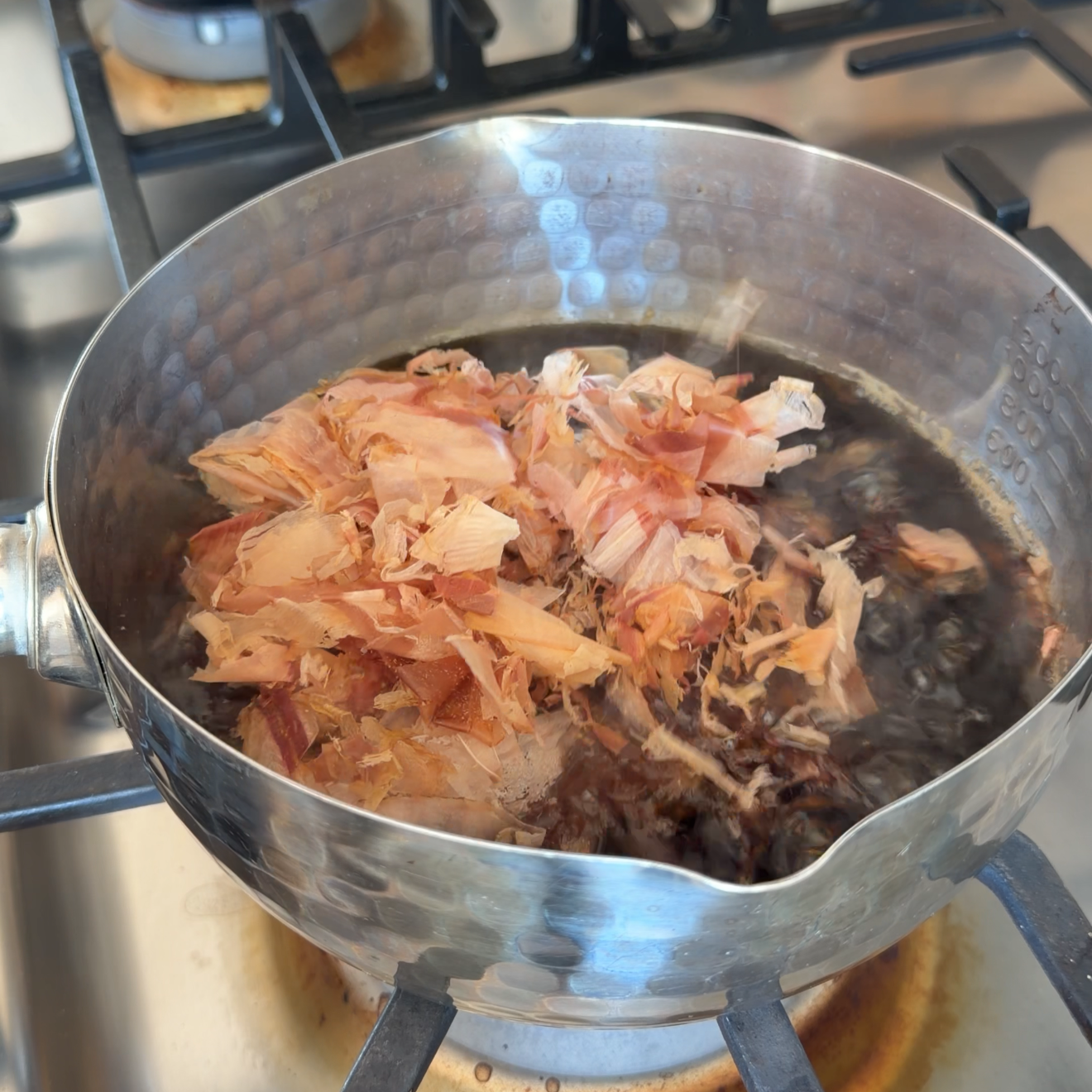
Reduce the heat to a gentle simmer and add the bonito flakes.
Use chopsticks to gently submerge them in the liquid.
Simmer gently for 5–6 minutes to extract the savory flavor from the bonito flakes.
Let the bonito flakes steep
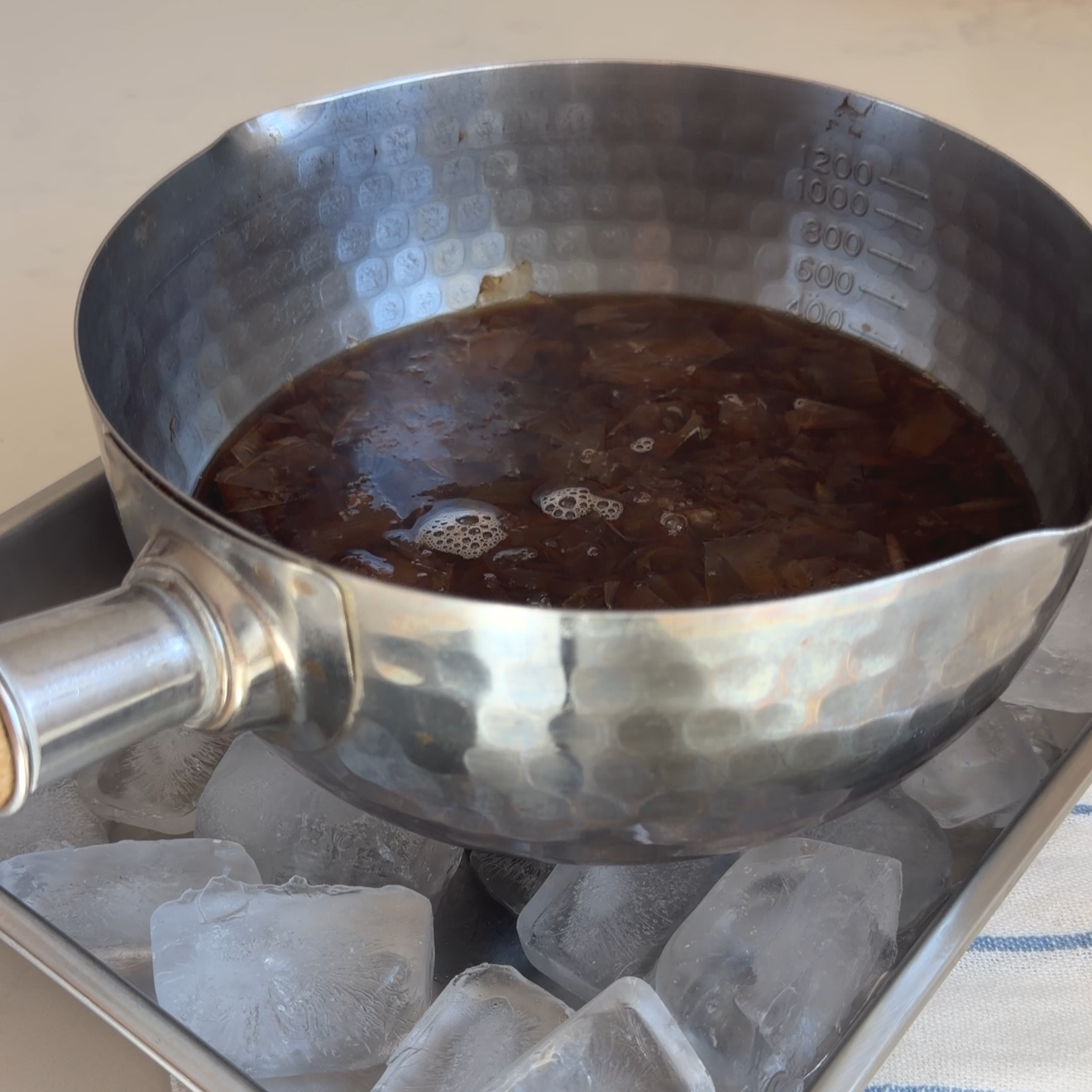
Turn off the heat and let the sauce cool with the bonito flakes still in the saucepan.
Allowing the flakes to steep as the sauce cools helps develop a deeper dashi flavor.
If you want to cool the sauce more quickly, place the bottom of the saucepan in a bowl of iced water. This also helps keeping the Umami flavors.
Strain and store
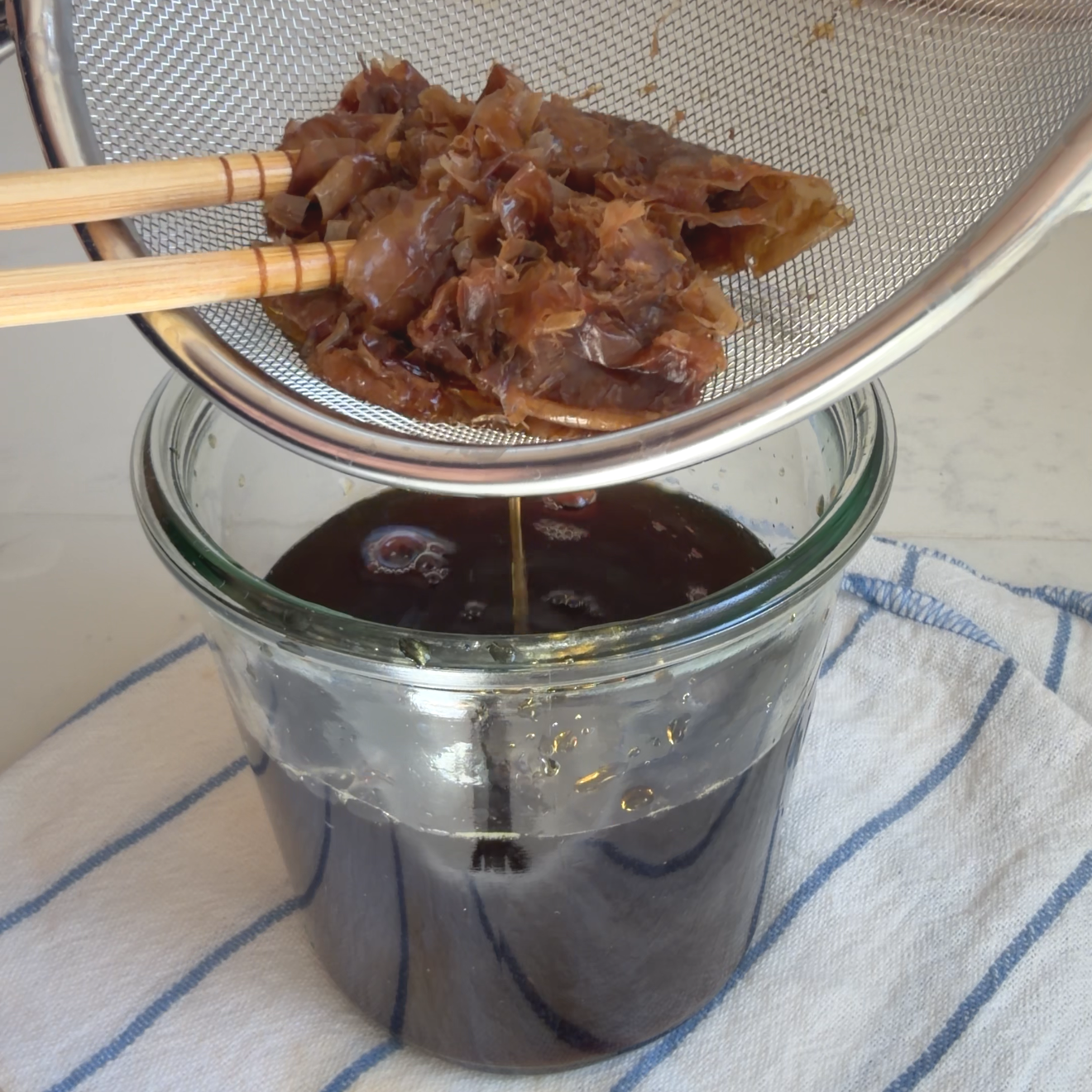
Strain the sauce through a fine-mesh strainer.
Use chopsticks or a spoon to press the bonito flakes to extract the remaining flavorful liquid.
Transfer the finished mentsuyu to a clean, airtight container and refrigerate.
FAQ
Can I use homemade mentsuyu without diluting it?
Yes! This recipe is intended to be used straight as a dipping sauce for cold noodles. But if you are using it for noodle soup, please dilute it.
How do I make hot noodle soup with this mentsuyu?
Mix mentsuyu with water in 1:1 ratio. For one serving I use about 2/3 cup each. Heat before serving and adjust the dilution to your taste.
How long does homemade mentsuyu last?
Keep it refrigerated in a clean, airtight container and use it within approximately 5–6 days. You can also freeze it in smaller portions for longer storage.
Can I make mentsuyu without bonito flakes?
Bonito flakes provide the classic flavor of this recipe. You can experiment with other Japanese soup stock ingredients, such as dried sardines or mackerel flakes, but the aroma and taste will be different.
What can I use homemade mentsuyu for besides noodles?
Try using it as a base for tempura dipping sauce, simmered vegetables, donburi such as Oyako Don, or other Japanese home-cooked meals.
You May Also Like
If you're looking for another comforting Japanese dinner, try this Tamago Don.
For a refreshing summer noodle dish, check out my Hiyashi Chuka recipe.
Pair this ramen with a light Napa Cabbage Tuna Salad.
This Broccoli Egg Salad makes an easy Japanese-style side dish.