Yakitori Don

Yakitori Don (Japanese Yakitori Rice Bowl) – Quick, Easy, and Full of Umami
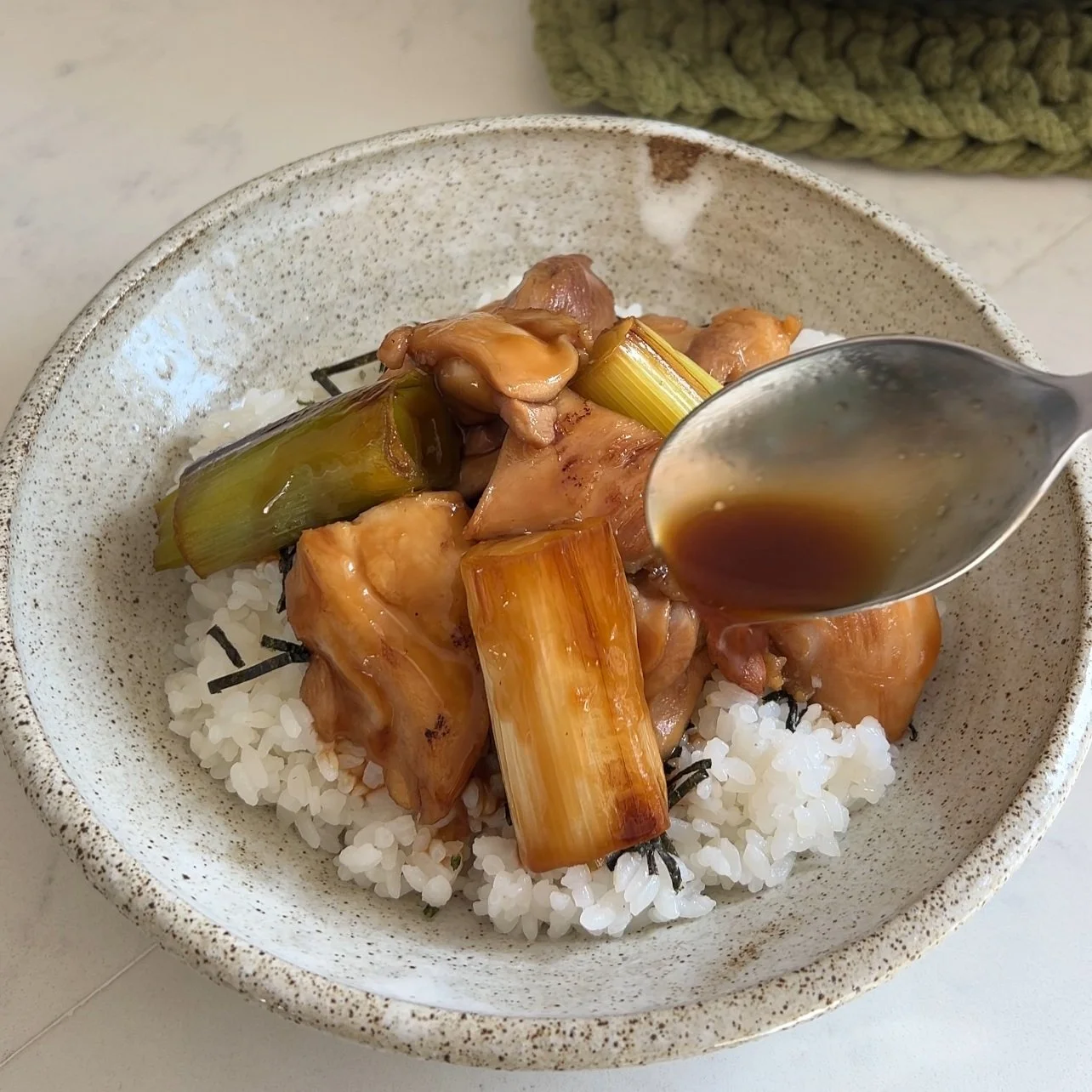
Yakitori Don is a comforting and flavorful Japanese chicken rice bowl topped with tender grilled chicken and negi (japanese long green onion), all coated in a glossy sweet-savory yakitori tare sauce. Served over a bowl of steamed rice, this yakitori donburi is the perfect weeknight meal when you’re craving authentic Japanese flavors but only have about 20 minutes to cook.
Yakitori (焼き鳥) is a classic Japanese grilled chicken dish, traditionally made with skewered chicken grilled over charcoal for a lightly smoky aroma. It’s a staple at izakayas (Japanese pubs) and street food stalls throughout Japan. Yakitori can be made using many parts of the chicken - most commonly juicy thigh meat (momo), but also wings (tebasaki) and gizzards (sunagimo). The chicken is typically seasoned with either simple salt (shio) or brushed with a rich soy-based tare sauce, which delivers deep umami and a subtle sweetness.
Yakitori Don, also known as a yakitori rice bowl, transforms this beloved street food into an easy home-cooked dish, no charcoal grill required. The tender chicken pairs beautifully with fluffy rice and classic toppings like kizami nori (shredded seaweed) and shichimi togarashi (Japanese seven-spice). Serve it with miso soup or a simple salad for a satisfying and well-balanced Japanese home meal that the whole family will love.
What is Negima?
Negima is one of the most popular types of yakitori, made with chicken and negi skewered together. Interestingly, the original version used maguro (tuna) with negi, but over time chicken became the standard as it became more widely available.
Do you want to learn about negi? Check here
What is Tare Sauce?
Tare (たれ) is a classic Japanese sauce made with soy sauce, mirin, sugar, and sake. It’s simmered into a slightly thickened glaze that delivers deep umami with a touch of sweetness. This sauce is what gives yakitori its signature flavor and glossy finish.
What is Shichimi Togarashi?
Shichimi togarashi (七味唐辛子) is a Japanese seven-spice blend made from chili flakes, sesame seeds, citrus peel, seaweed, and more. It adds heat, aroma, and complexity.
For this recipe, using yuzu shichimi adds a refreshing citrus note that pairs beautifully with the rich chicken.
RECIPE
Servings: 3-4
Time: 20 minutes
Ingredients:
8 oz boneless chicken thighs, seasoned with salt
1 stalk negi (Japanese long green onion)
2 tbsp soy sauce
1 tbsp sugar
1 tbsp mirin
1/2 tbsp sake
kizami nori (shredded seaweed)
shichimi togarashi (Japanese seven-spice), optional
cooked rice
Instructions:
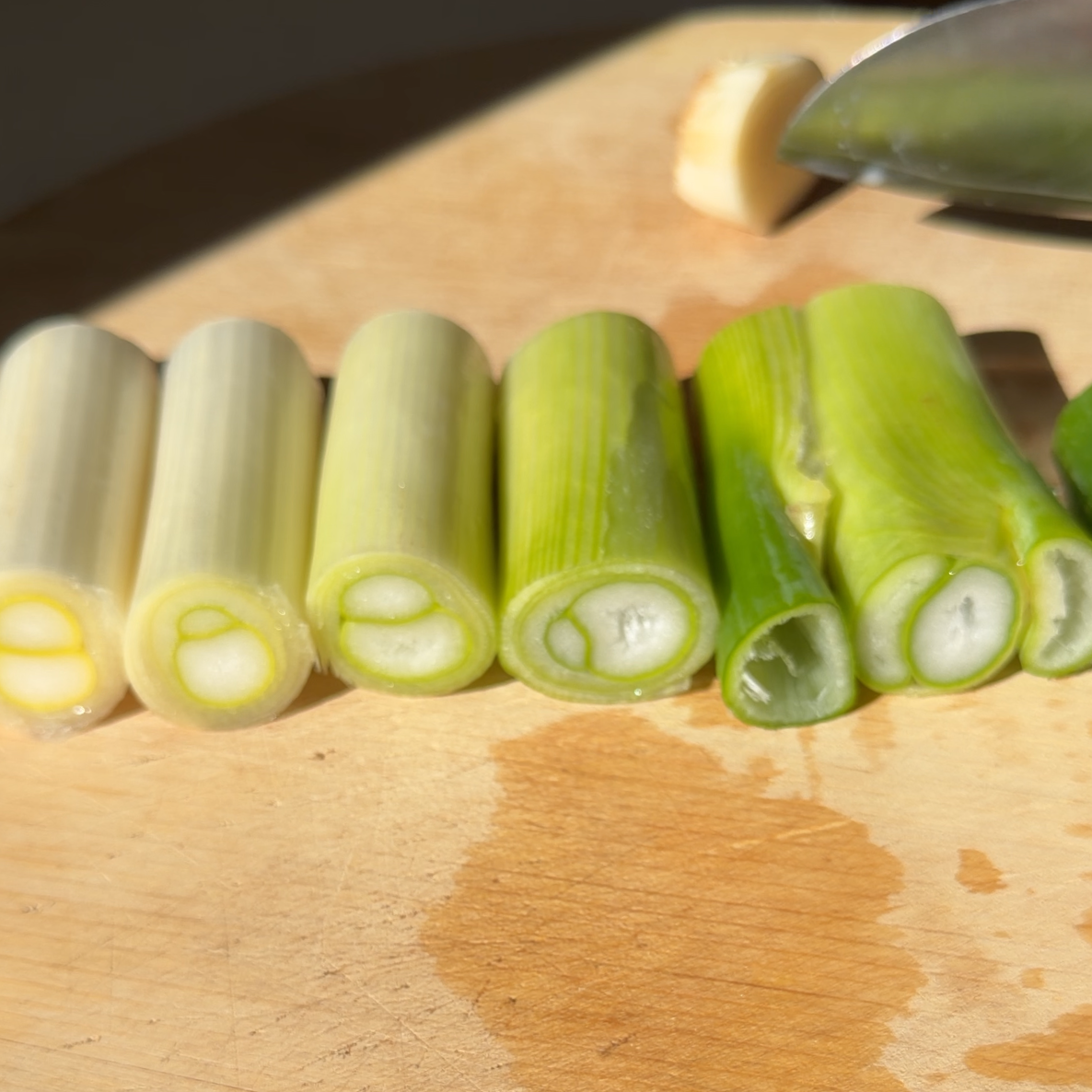
Prepare the Negi
Rinse the negi thoroughly and cut it into 2-inch pieces. Set aside.
Cut the Chicken
Cut the chicken thighs into bite-sized pieces to ensure even cooking and easy eating.
Season chicken with a pinch of salt
Make the Yakitori Tare Sauce
In a small bowl, combine the soy sauce, sugar, mirin, and sake.
Stir until the sugar dissolves completely, then set the tare sauce aside.
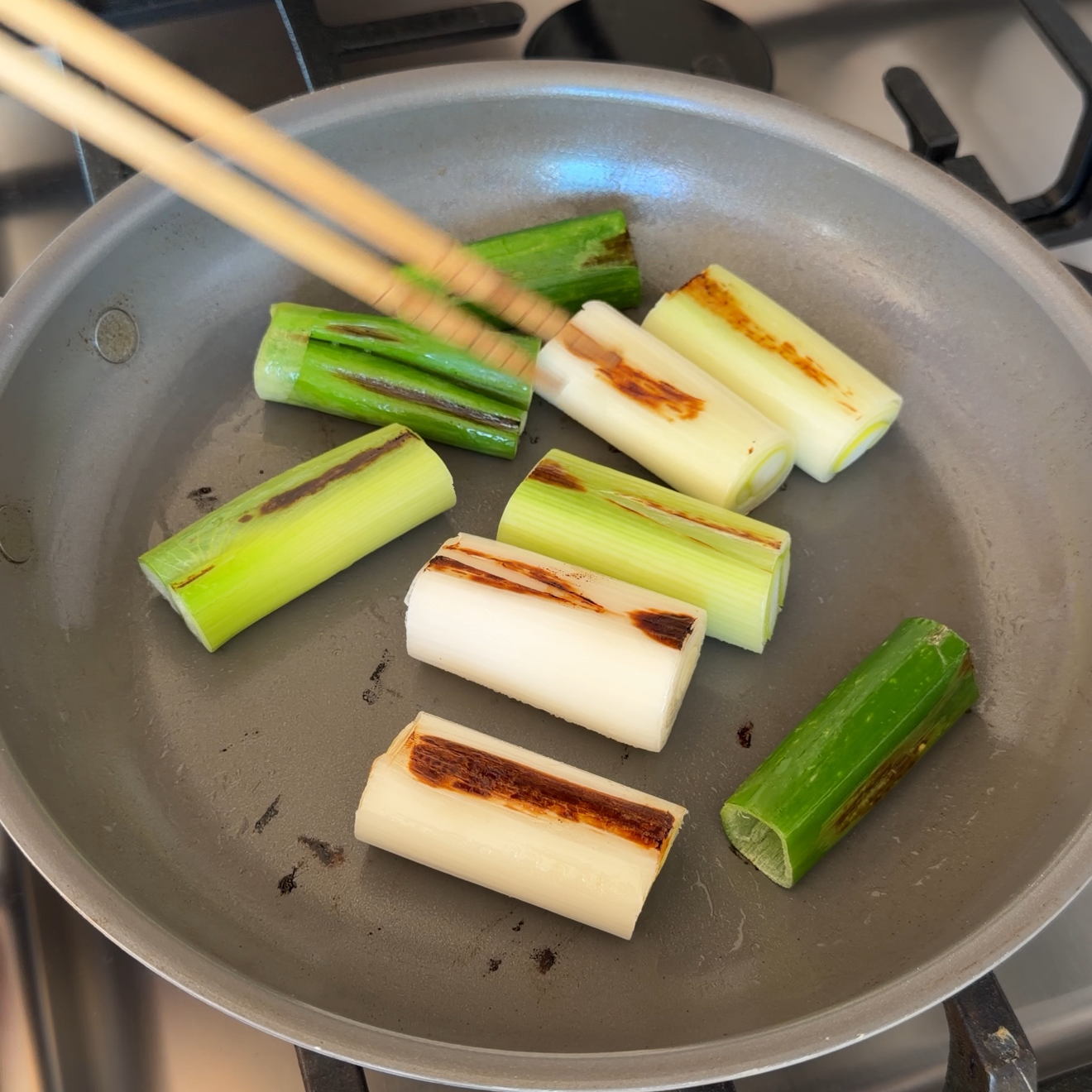
Grill the Negi
Heat a frying pan over medium heat with a little of cooking oil.
Add the negi pieces and pan-grill until lightly charred and fragrant on the outside.
Remove them to side of the pan.
Cook the Chicken
Place the chicken pieces skin-side down.
Cook until golden brown, then flip and cook the other side until fully cooked through.
Glaze with Tare Sauce
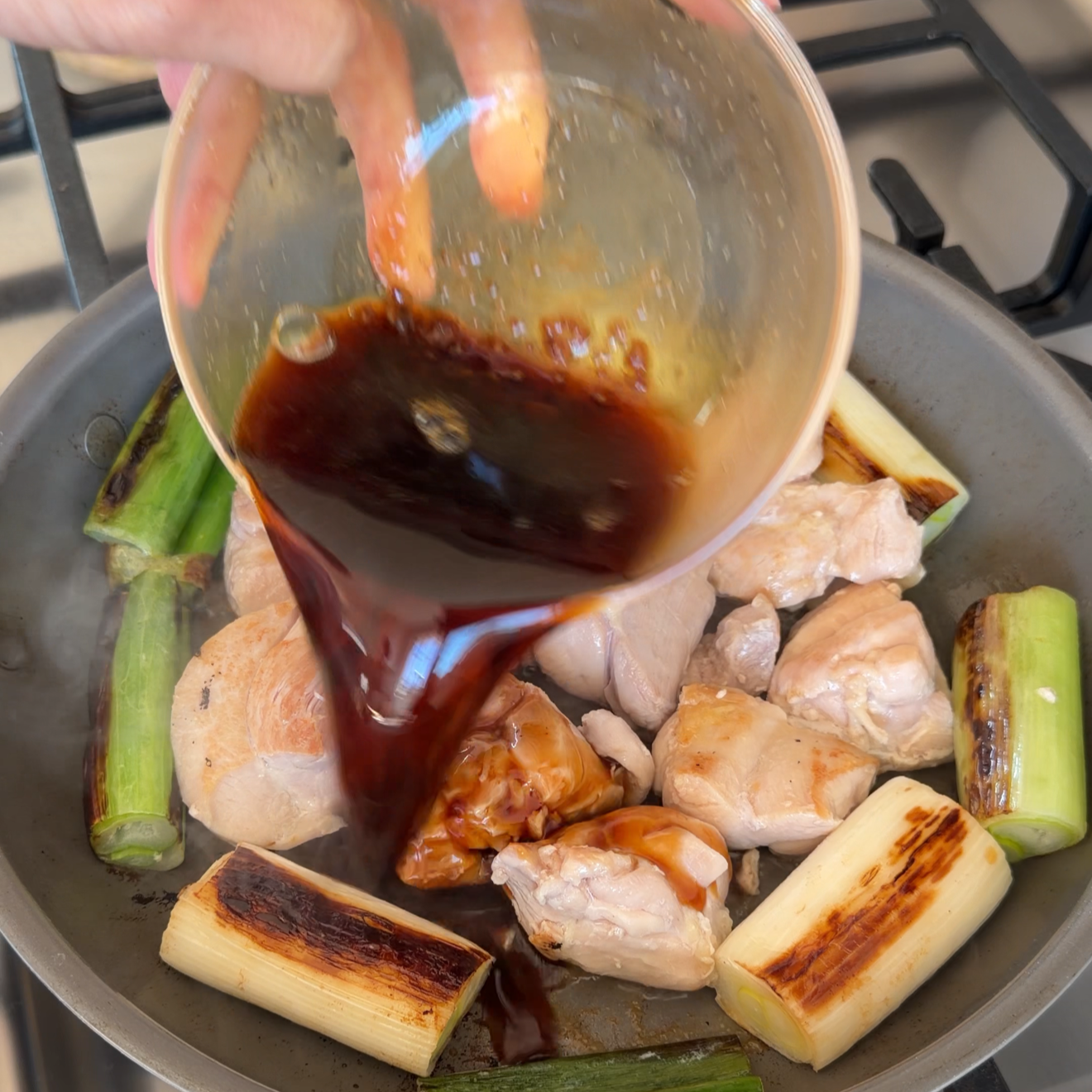
Return the grilled negi to the pan with the chicken.
Pour in the tare sauce and gently stir to coat everything evenly.
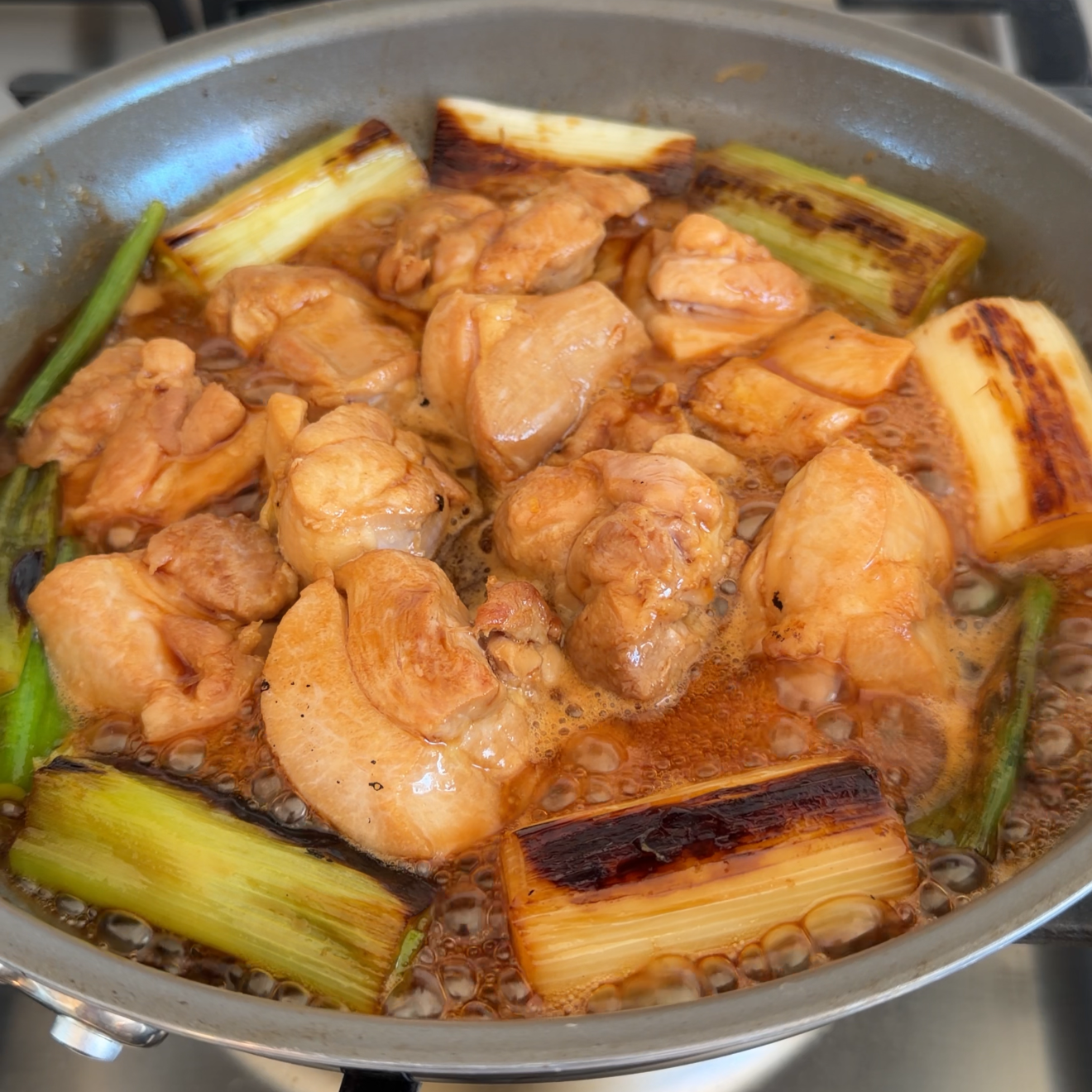
Let the sauce simmer briefly until it thickens and becomes glossy.
Assemble the Yakitori Don
Divide the steamed rice into serving bowls.
Sprinkle kizami nori over the rice, then top with the yakitori chicken and negi.
Drizzle extra tare sauce from the pan over the top.
Finish and Serve
Sprinkle with shichimi togarashi if desired, and enjoy your homemade Yakitori Don while hot.

FAQ
Can I use chicken breast instead of thighs?
Yes, but chicken thighs are recommended for their juiciness and flavor.
Do I need a grill to make yakitori?
No. This recipe is designed for a frying pan, making it quick and accessible.
What can I serve with Yakitori Don?
Miso soup, a simple salad, or pickled vegetables make great side dishes.
Can I make the tare sauce ahead of time?
Yes, you can prepare it in advance and store it in the fridge for up to a few days.
You May Also Like This Recipe
If you love easy rice bowl recipes, try my Oyakodon (Chicken & Egg Rice Bowl) for another quick comfort meal.
Pair this with my Japanese Spinach Salad (Goma-ae) for a balanced meal.
Learn more about Negi (Japanese green onion)
Negi Enoki Miso Soup is another Negi recipe - cozy and easy miso soup idea