How I Use Japanese Ceramics
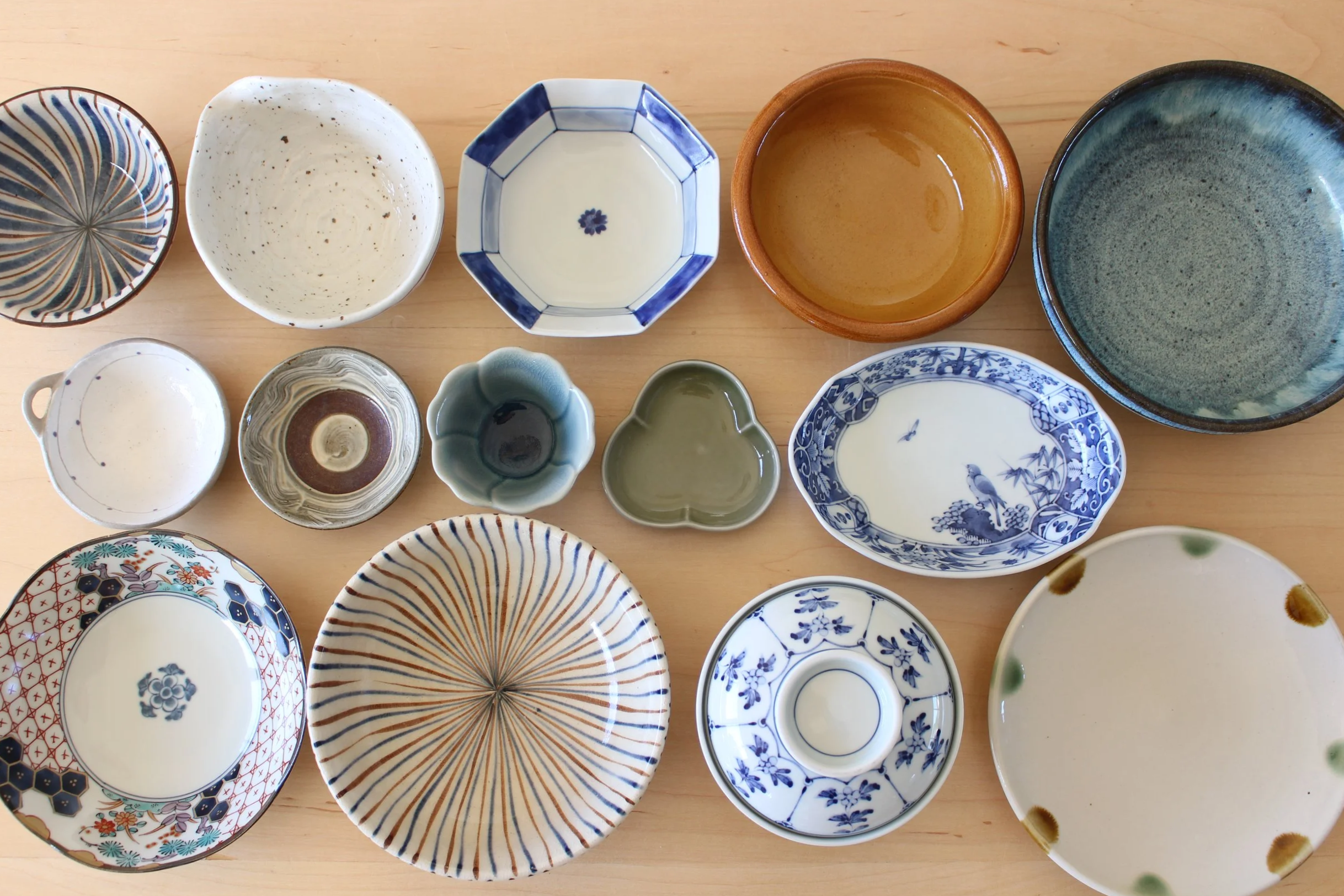
For me, Japanese tableware isn't about creating a formal table. It's about making everyday meals feel a little more special and making the dishes themselves part of the dining experience.
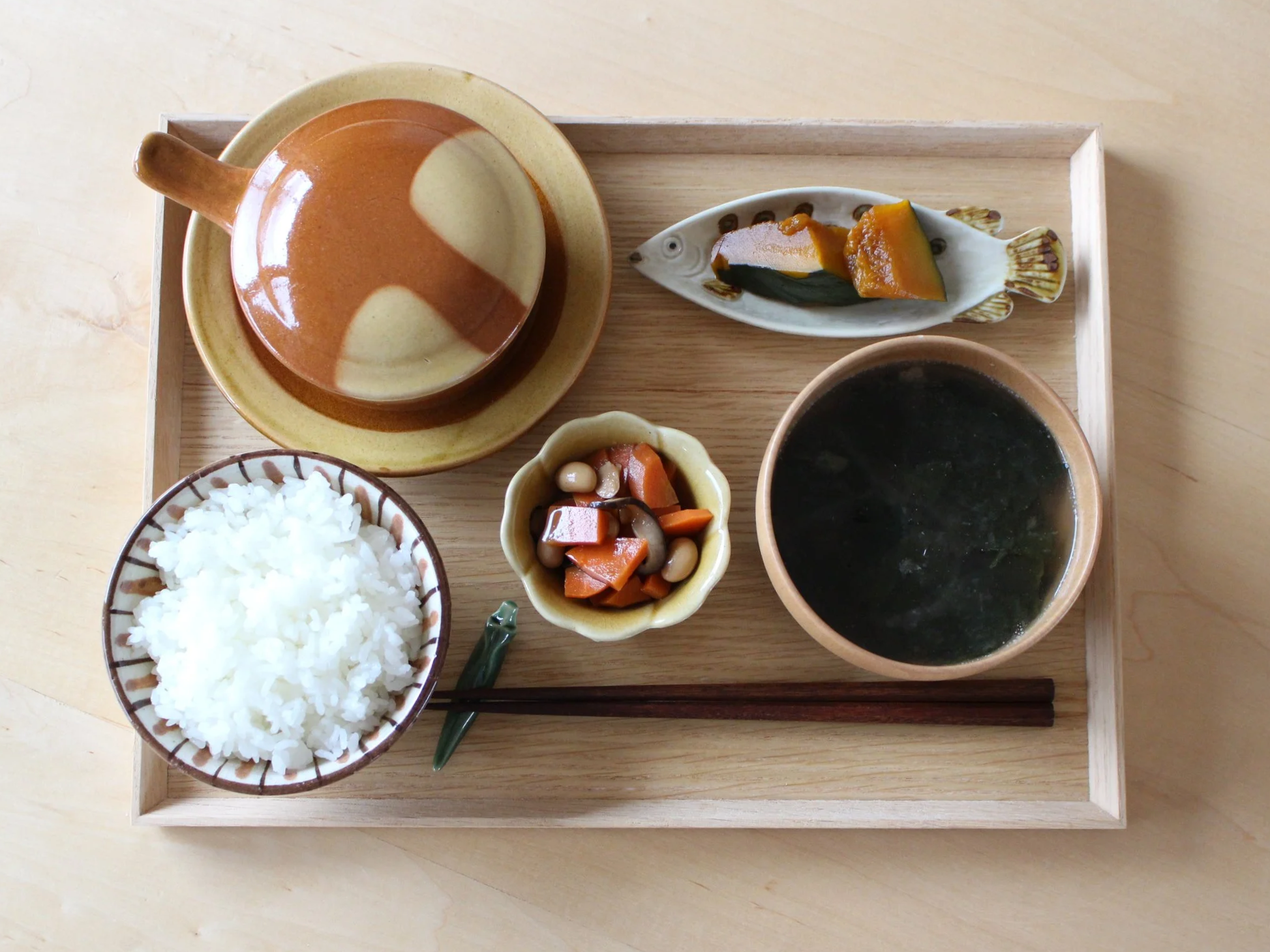
Growing up in Japan, I was used to eating rice from a rice bowl, miso soup from a soup bowl, grilled fish on a rectangular plate, and pickles in little mamezara (small plates). Using different dishes for different foods was simply part of everyday life.
But after moving to the US and having kids, I found myself taking the easier route: putting everything on one large plate. Practical? Yes! But I started missing the beauty of a traditional Japanese set meal, or teishoku.
I decided to bring a little of that experience into our home. I started serving meals in different bowls and small plates. Then something unexpected happened: my kids became more interested in trying different foods. They also started choosing their favorite plates and asking me to serve their meals in them. Our dinner table became brighter and more fun. (Of course, we still have plenty of one-plate dinner days!)
That's how my Japanese ceramic collection began.
Over the years, I've discovered beautiful tableware in specialty shops, local pottery studios, flea markets, and directly from pottery makers. If you love Japanese food and culture, I'd love to share some of my favorite places to shop for Japanese ceramics in Japan.
What is Japanese Ceramics
Japanese ceramics are generally divided into two familiar types: tōki (陶器), or pottery, and jiki (磁器), or porcelain.
Tōki is made primarily from clay and often has a warm, earthy appearance, with a slightly rough texture, thicker forms, and natural variations in color and glaze. Jiki, on the other hand, is made from materials such as porcelain stone and is fired at higher temperatures, creating a harder, smoother surface that is often lighter in appearance and sometimes translucent. Both have their own charm: I love the rustic, handmade feel of pottery and the clean, refined look of porcelain.
Where to Buy Japanese Ceramics in Japan
There are many ways to shop for Japanese ceramics in Japan, but I usually think of them in four categories:
Specialty tableware shops
Local pottery areas and kilns
Museums and exhibits
Seasonal Events and Markets
If you're visiting Tokyo for the first time, Kappabashi is a great place to start and find many specialty table shops in one area. Also my favorite is Muji and Loft. But if you have the opportunity to travel outside Tokyo, I highly recommend visiting local pottery areas as well. That's where you begin to see how different Japanese ceramics can be from region to region.
Here are my recommendations.
Kappabashi, Tokyo
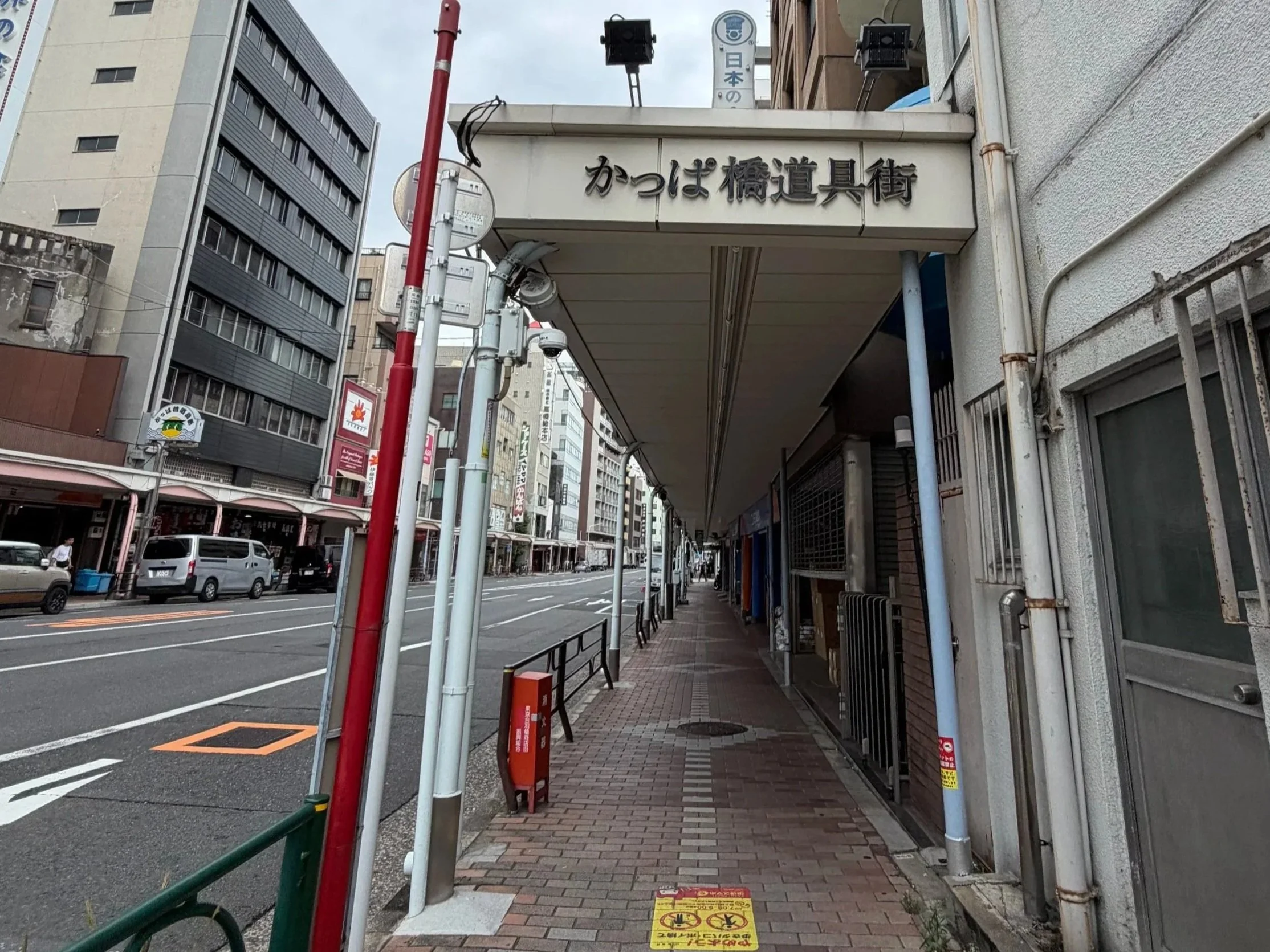
If you love cooking or Japanese tableware, This is a place you'll want to put on your Tokyo itinerary.
Located between Asakusa and Ueno, Kappabashi is famous for its huge selection of kitchenware and restaurant supplies. You'll find everything from knives and cooking tools to dishes, bowls, chopsticks, serving pieces, and many more.
What I especially love about Kappabashi is that you can compare so many different styles in one area. You can find inexpensive everyday dishes, restaurant-style tableware, handmade ceramics, and more traditional Japanese pieces all within a short walk.
Here are some shops I visit on repeat:
Dengama is the closest to the Tawaramachi Station, that’s where most people get off the train to start the Kappabashi stroll.
There are so many different shapes, colors, and styles of ceramics, also their chopstick rest selections are very wide. It's easy to spend much longer here than you planned. I normally stop there when I get to Kappabashi, then also before leaving the area to double check if I haven’t missed anything.
Fuwari is another shop worth checking out if you're looking for Japanese tableware. I especially enjoy looking at the smaller pieces including the chopstick rests to Mamezara (small plates). They have 3 stories, and the 3rd floor has wooden trays and baskets.
They are specialized in Mino-yaki (Gifu prefecture), there are sleek plates to beautifully designed bowls, small dishes and more. They coordinate each pieces nicely on the display, you can picture yourself how you can use each tableware at your home.
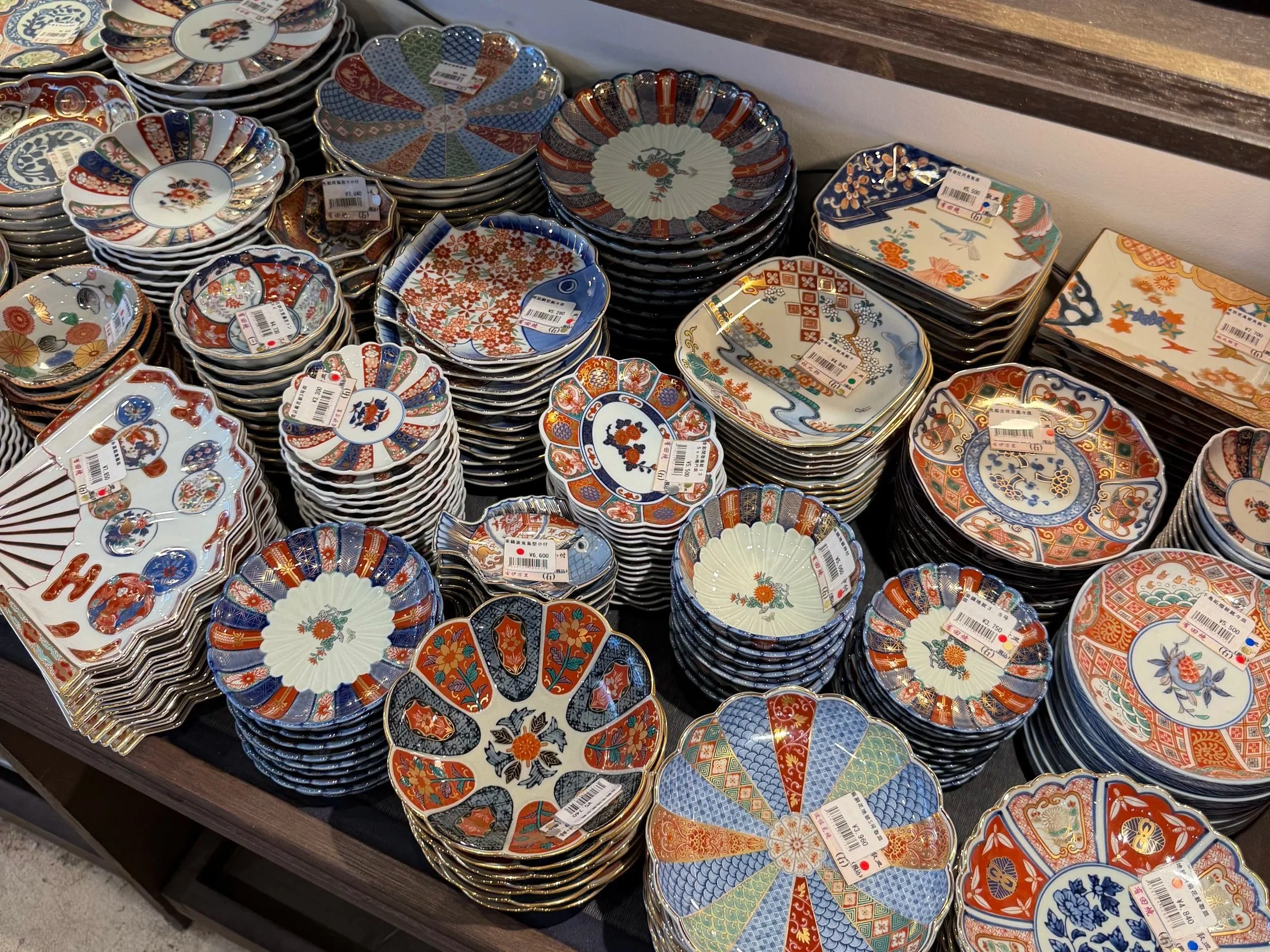
They have lots of tablewares with vivid hand-painted designs, such as Kutani-yaki (Ishikawa prefecture), Hasami-yaki (Nagasaki-prefecture), and more. Some of the items seem more expensive but they are all lifetime treasures.
My Kappabashi Tips
Check out their store hours. Many of the stores in Kappabashi are closed on Sundays and Holidays. Most of them open around 10am or 11am, but check the hours before you go and coordinate with your schedule.
Don't plan to buy everything at the first shop you visit. Walk around first. Look at the shapes, colors, prices, and different styles. Then go back to the pieces you can't stop thinking about. I normally book myself for a good 3 hours at least.
Bonus Tip - Bring measurements of your existing tableware or take a few photos of your kitchen and dining table. It's surprisingly easy to buy something beautiful in Japan and then realize it's much bigger, or smaller than you imagined.
LOFT and MUJI

I also like checking places such as LOFT and MUJI.
These are especially useful if you're looking for simple, everyday pieces rather than something highly specialized or collectible.
LOFT, I like their selections from popular kilns to local ones. They have basics such as rice bowls, soup bowls, and main dish plates. Some of them are seasonal, some are limited time features.
As same as going to Muji, there are other floors with kitchen items, stationaries, travel items, and souvenirs at Loft. I could easily spend the whole day shopping there.
MUJI, in particular, is a good option if you like a minimalist look. The pieces tend to be easy to incorporate into an existing collection because they don't necessarily scream "Japanese tableware". Their tablewares are mostly microwavable, and dishwasher-safe. I check where they are made of, and often pick Mino-yaki (Gifu prefecture) for the ceramics.
As a side note, their kitchen tools - spatulas, trays, and even bento boxes are very simple designs and useful at Muji.
Local Pottery Areas and Kilns
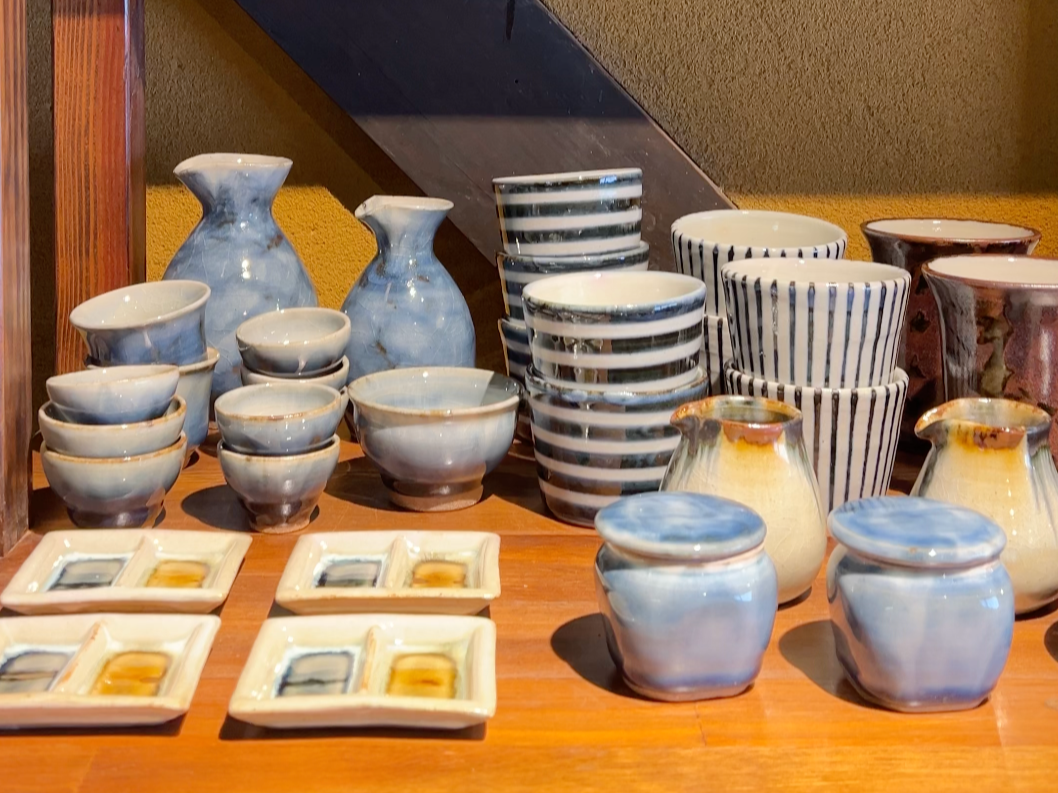
One of my favorite parts of shopping for Japanese ceramics is getting outside Tokyo.
Japan has a long history of pottery and ceramics, with different regions developing their own techniques, materials, glazes, and styles.
Some of the places I've visited include:
Seto (Aichi Prefecture)
Shussai, Izumo (Shimane Prefecture)
Iwami (Shimane Prefecture)
Hagi (Yamaguchi Prefecture)
If you're interested in Japanese ceramics, visiting a local pottery area gives you a completely different experience from shopping in Tokyo.
Instead of simply seeing the finished product on a store shelf, you can learn more about where it comes from.
Seto, Aichi
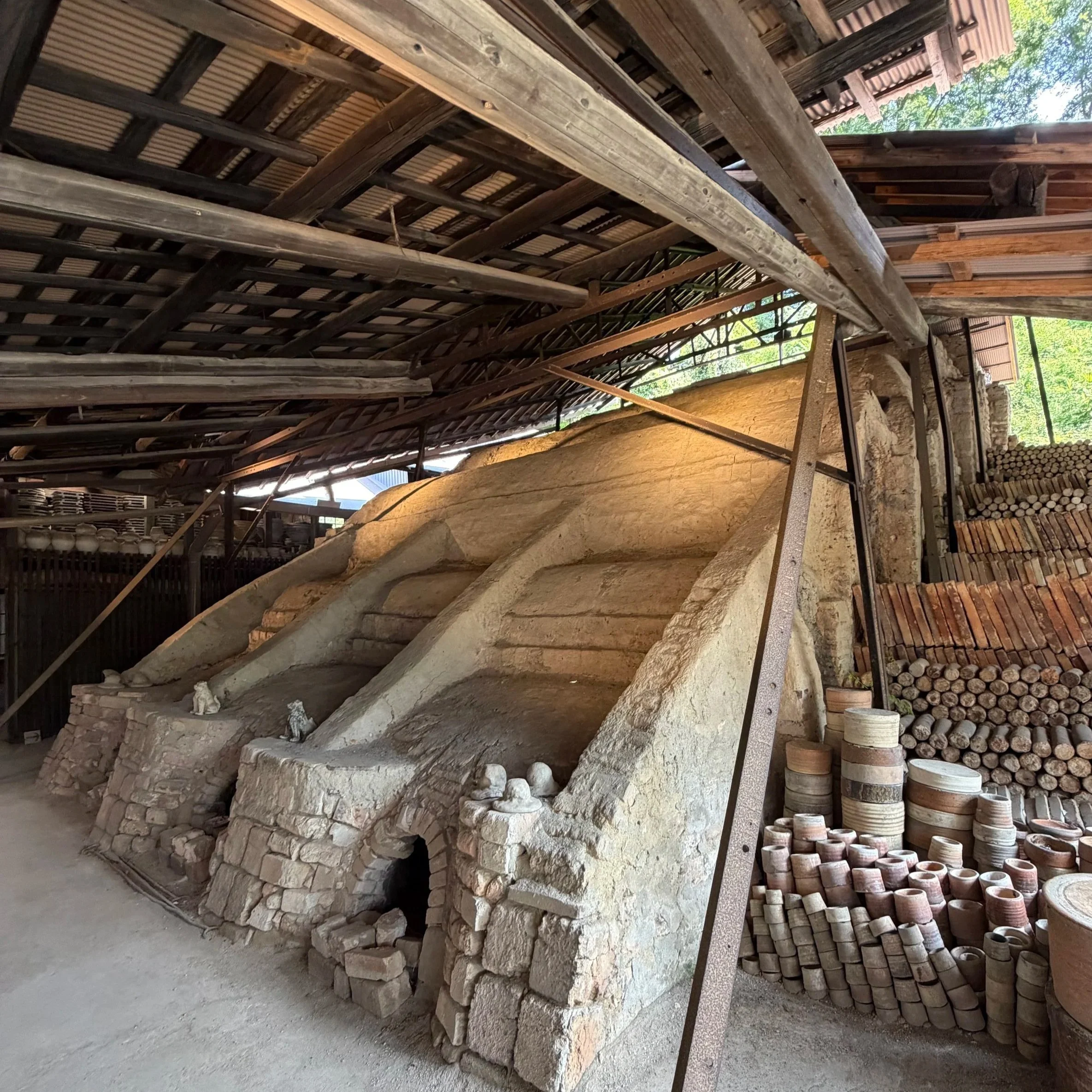
I visited Seto City, about 40 minutes from Nagoya by train. Seto is one of Japan’s Six Ancient Kilns, with a long history of pottery production.
During the Edo period and afterward, pottery made in Seto began to be distributed throughout Japan. The quality and popularity of these pieces became so well known that the word “Setomono”, literally, “things from Seto”, became a common term for Japanese ceramics.
I visited the Seto Mingei Museum, where I learned about the traditional kilns that have been used in the area since the Edo period, as well as the region’s unique pottery techniques, including its distinctive wheel-throwing methods and designs.
At the Seto-gura Museum, I also learned about the history of Seto pottery - how ceramics were produced locally and eventually shipped throughout Japan and overseas.
I spent about half a day exploring the town, and even found pottery shops along the local shopping streets.
Shussai Kiln, Shimane
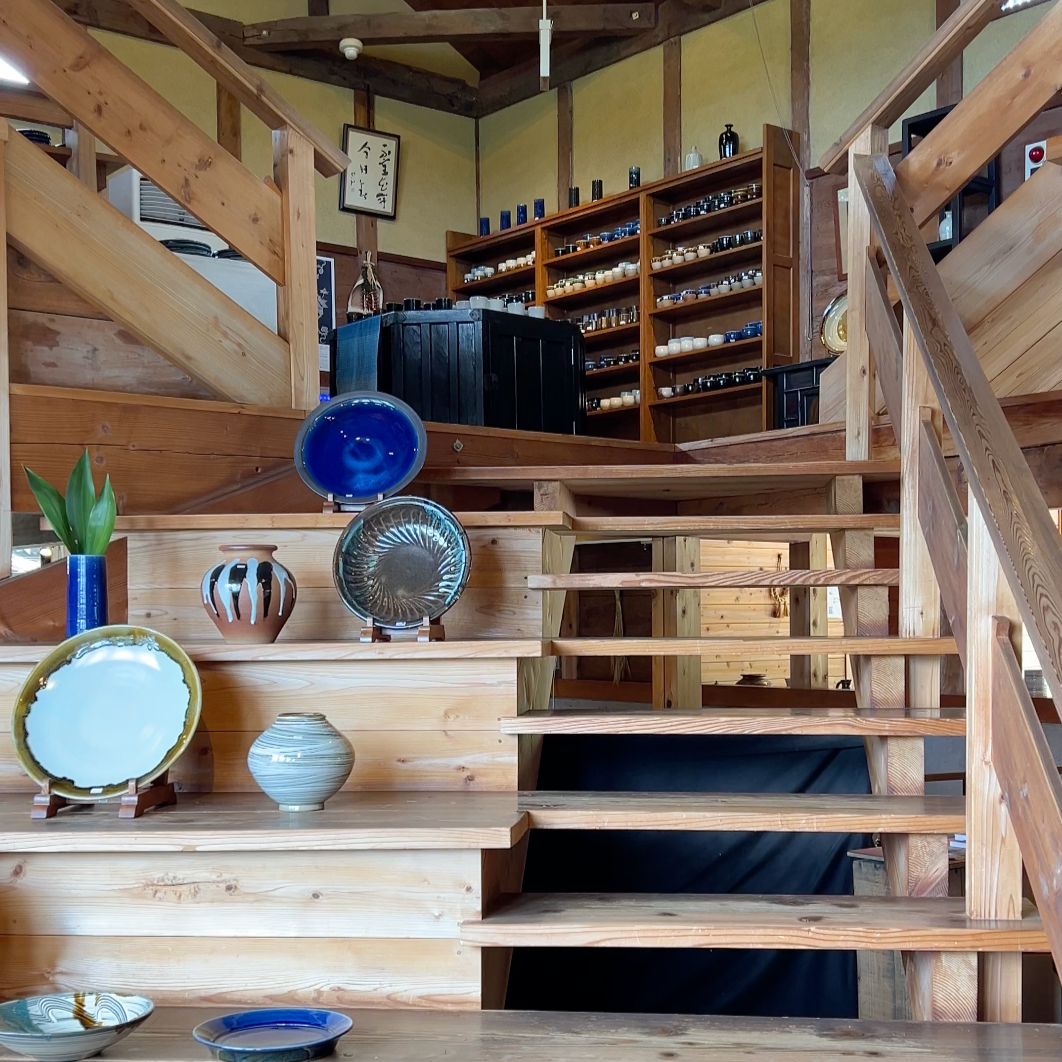
Shussai Gama (kiln) is my go-to whenever I get a chance to visit the area in Shimane Prefecture.
Located in Izumo, Shimane Prefecture, Shussai Kiln was founded in 1947. Inspired by Japan’s Mingei (folk craft) movement and guided by influential figures such as Soetsu Yanagi and Kanjiro Kawai, the kiln developed a philosophy of creating beautiful, practical vessels for everyday life. Its distinctive cobalt-blue glaze, known as Shussai Blue, has become one of its signature styles.
There is a beautiful shop located right next to the kiln. My favorite is to peak a head out of the kiln while it’s available, getting to watch the craftsmanship in person.
Iwami, Shimane
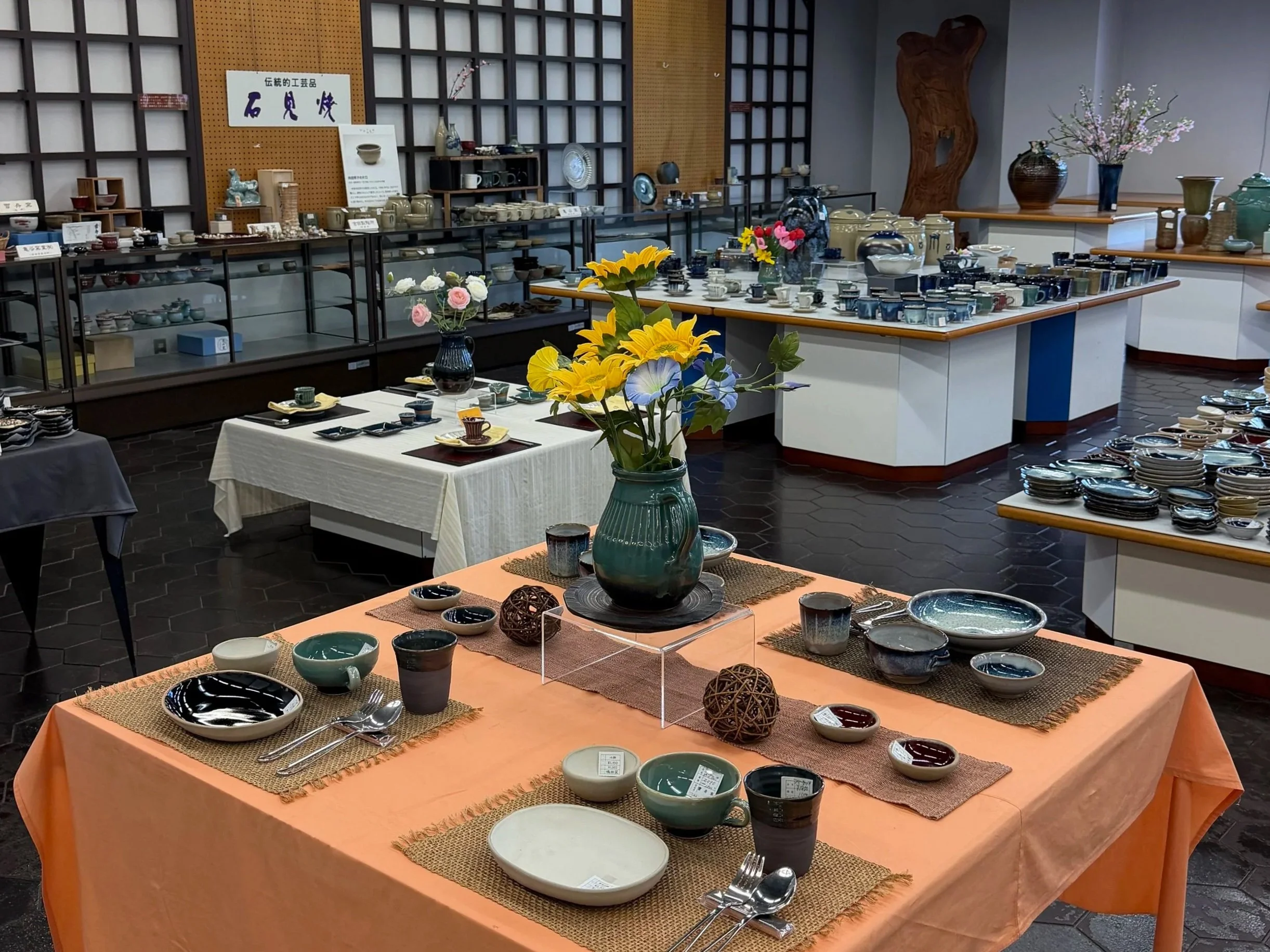
Iwami Ware (Iwami-yaki) is a type of Japanese pottery traditionally produced around Gōtsu City in Shimane Prefecture.
One of its defining characteristics is its durable clay body, which has low water absorption and is resistant to salt, acids, and alkaline substances. Iwami ware is particularly known for its large storage jars called handō, traditionally used for storing water. In addition to these large jars, the pottery also includes smaller everyday items such as teaware and tableware. Thanks to its resistance to acids and salt, Iwami ware is especially suitable for preserving foods such as pickled plums (umeboshi) and Japanese pickled shallots (rakkyo).
Hagi, Yamaguchi
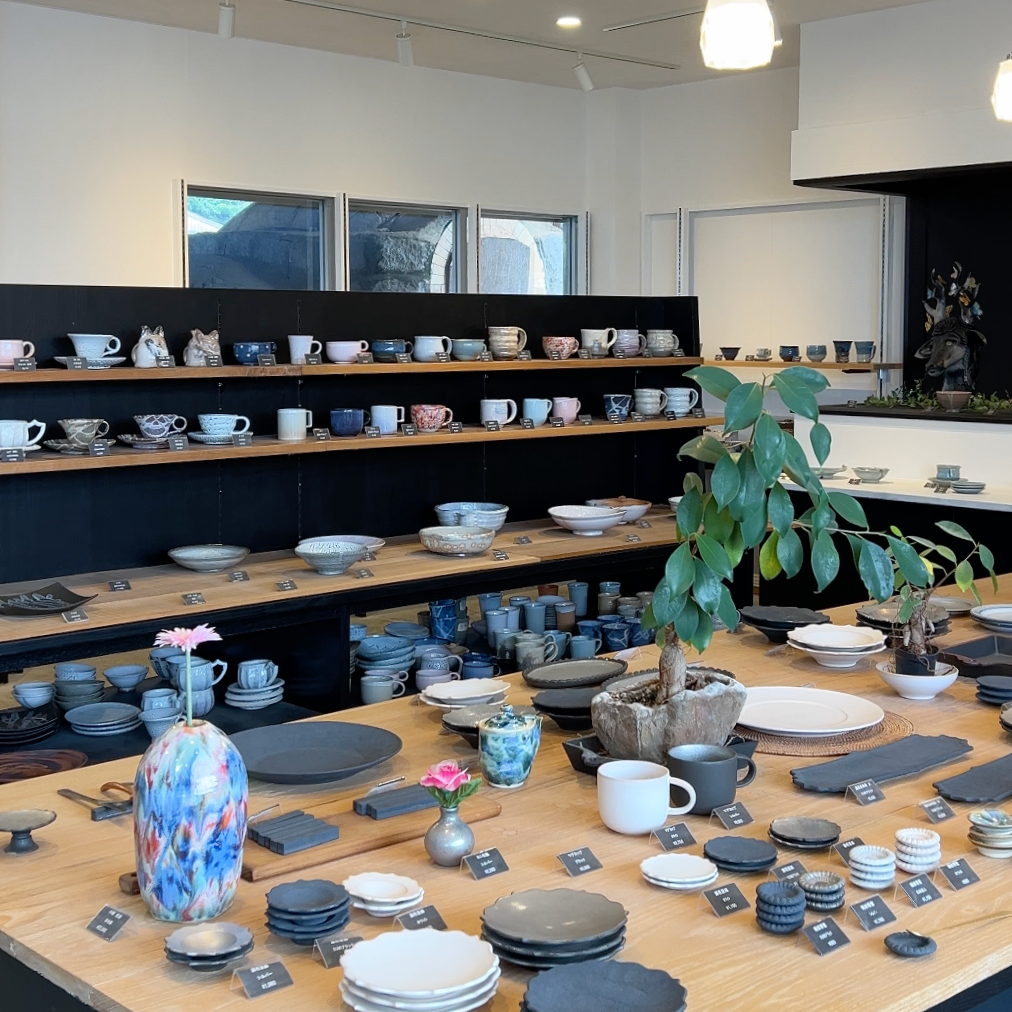
Hagi ware is another type of Japanese pottery I was excited to discover.
Hagi-yaki is known for its soft, understated appearance and warm, natural texture. It is made using relatively coarse clay that is not fired to a highly dense finish, giving each piece a distinctive, earthy feel. Hagi ware is especially famous for its connection to Japanese tea ceremonies, where it is appreciated for its simple beauty and tactile qualities. Rather than focusing on elaborate decoration, Hagi ware celebrates the natural character of the clay, with a slightly rough, matte surface that feels warm to the touch. Its weight, texture, and gentle feel against the lips are all part of its charm.
Museums and Exhibits
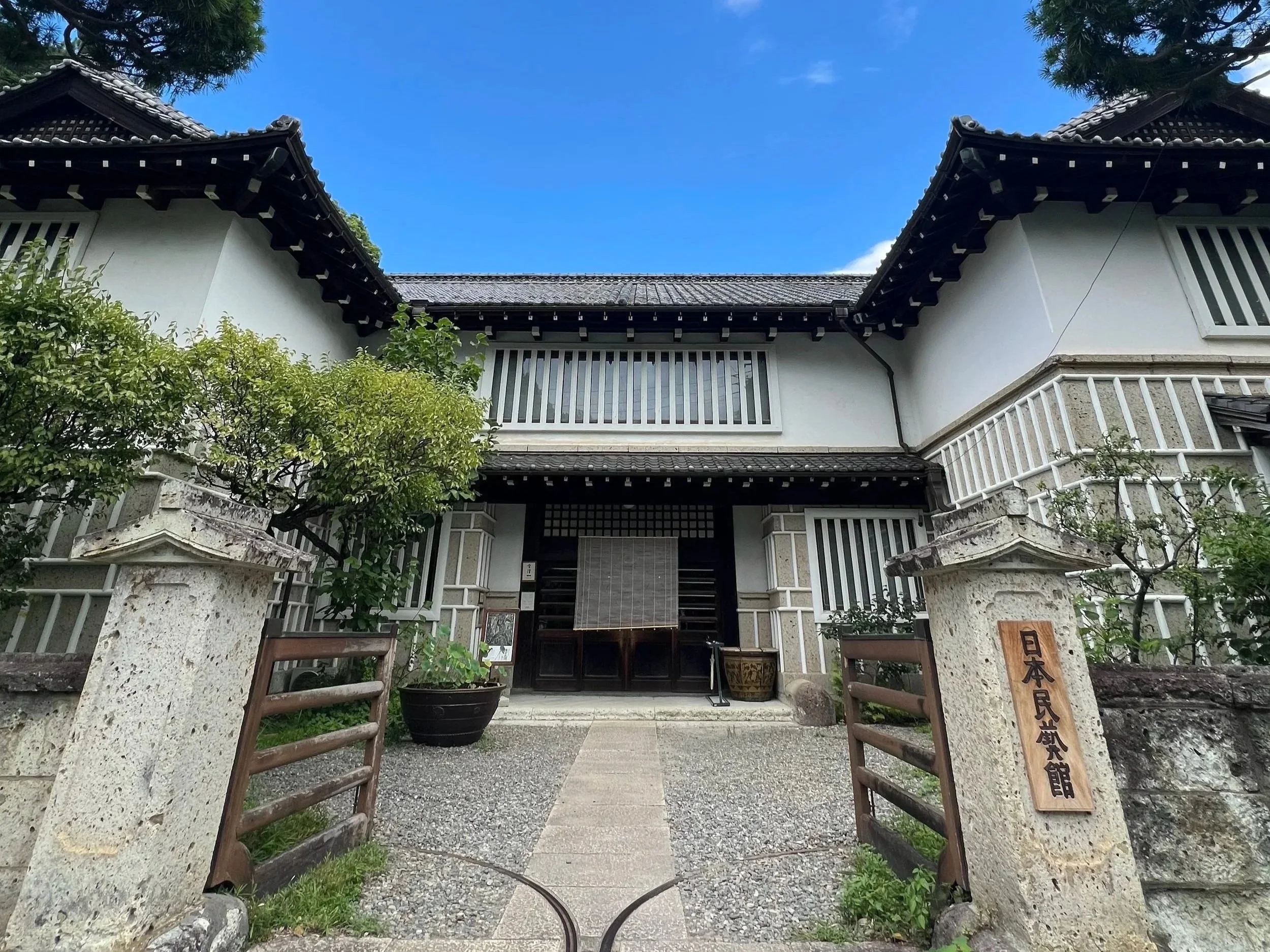
Another way to discover Japanese ceramics is through museums and exhibitions, then checking out their museum shops. I especially love visiting Mingei museums.
I’ve been to:
Nihon Mingei Kan (Tokyo)
Izumo Folk Crafts Museum (Shimane)
Seto Mingei Museum (Aichi) - see above.
Besides the Mingei museums, some museums hold seasonal exhibits with ceramics and food related content. As mentioned, checking out the museum shop is a great way to find your favorite tableware. Suntory Museum (Tokyo) had a beautiful exhibit the last time I visited.
These can be particularly fun because you're not necessarily shopping from a permanent store but learning about the history behind the ceramics, finding local makers and individual makers artwork at their museum shops.
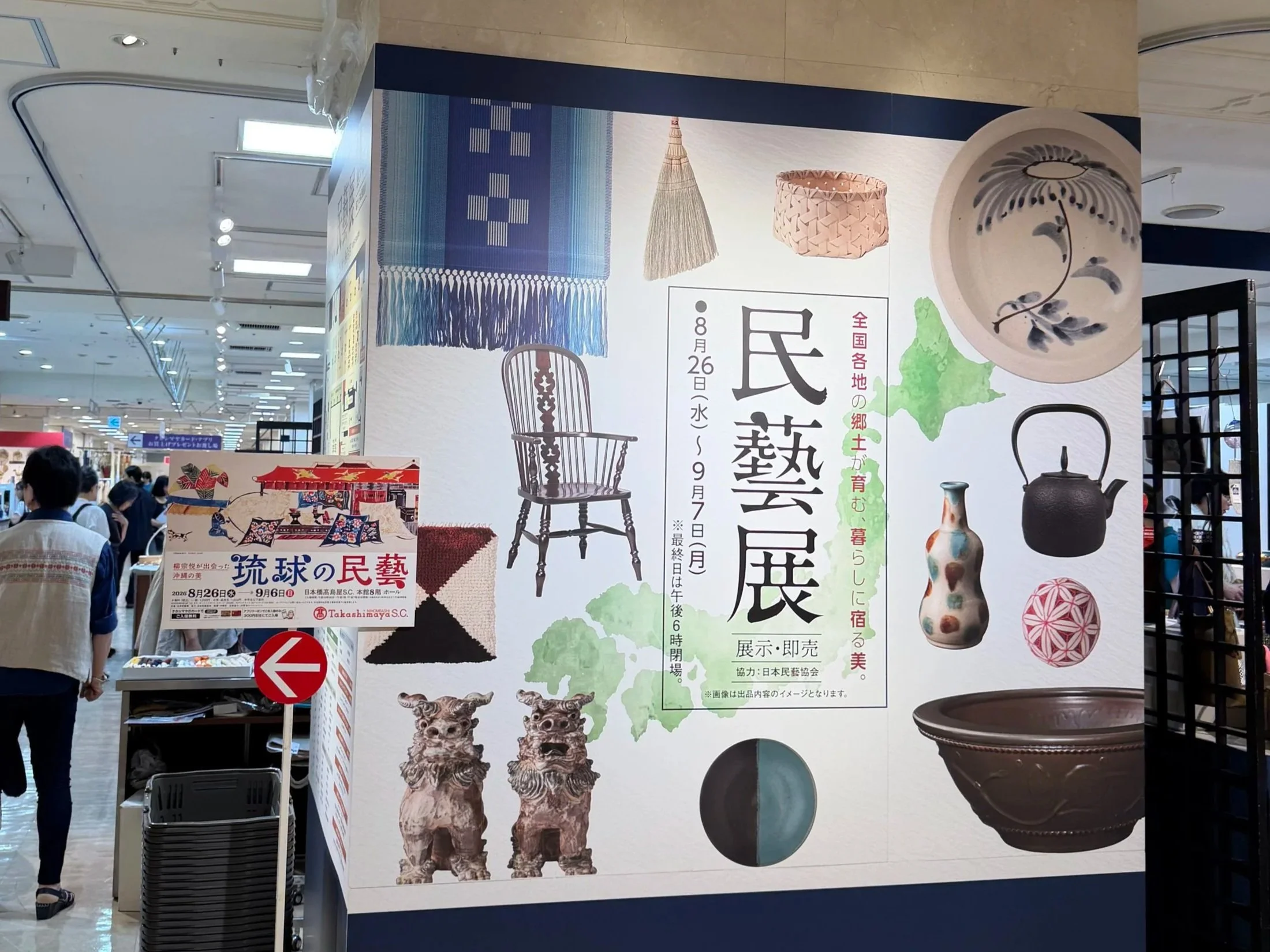
What is Mingei?
The word mingei is often translated as "folk craft" The movement emphasized the beauty of everyday objects made by ordinary craftspeople rather than objects created purely as fine art.
That's one reason mingei resonates with me. A bowl doesn't have to sit on a shelf and be admired. It can hold your rice. A plate can have an uneven glaze. A serving dish can have little variations from piece to piece. Those imperfections can become part of what makes the object beautiful.
For me, that's the appeal of Japanese tableware: beautiful things that are meant to be used.
Seasonal Events
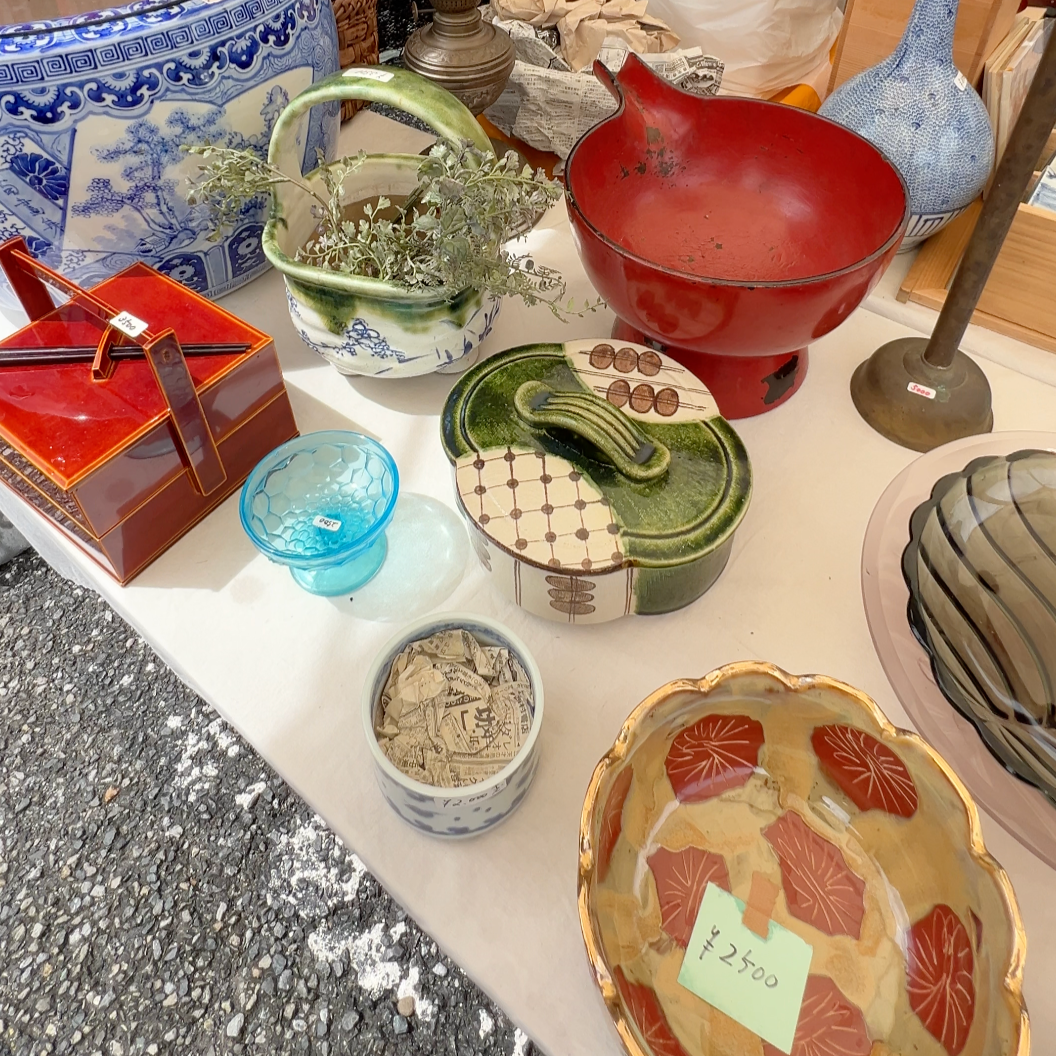
Don't overlook flea markets and antique markets when you're in Japan. These can be some of the most fun places to look for tableware because you never know what you'll find.
You might come across older bowls, small plates, vintage serving pieces, wooden trays, or ceramics that have clearly been used and loved. Instead of looking for a particular item, I like to browse and see what catches my eye.
I’ve been to:
Narita San Nomi No Ichi Flea Market (Saitama Prefecture)
How to Bring Ceramics Home
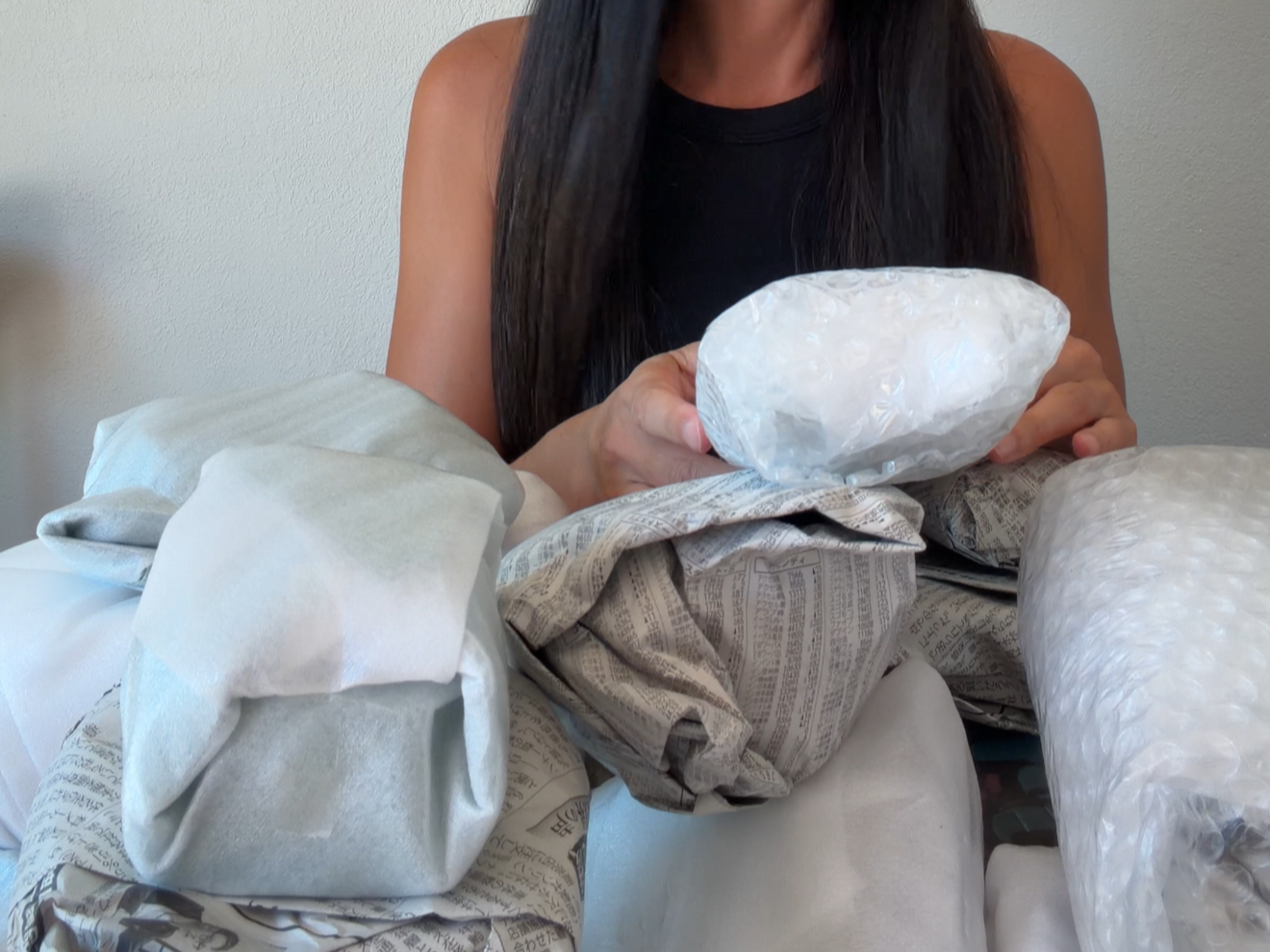
If you're buying ceramics during a trip to Japan, think about how you're going to transport them before you buy too many pieces. Many stores will wrap ceramics carefully, but I still like to be extra cautious. There are some tips I’ve been helped:
Keep pieces individually wrapped.
Put smaller pieces inside larger ones when appropriate, with padding between them.
Use clothing or towels as additional cushioning - I pack a few towels and bubble wraps in the luggage.
Keep fragile ceramics toward the center of the suitcase.
Avoid putting heavy items directly against delicate pieces.
Keep especially valuable or fragile pieces in the carry-on when practical and permitted.
You can also ask the store staff to wrap it extra carefully since you are going to be on a flight.
And don't forget to consider the weight of your luggage! A few bowls don't seem like much when you're shopping, but somehow your suitcase gets very heavy by the end of the trip.
Seasoning Japanese Ceramics
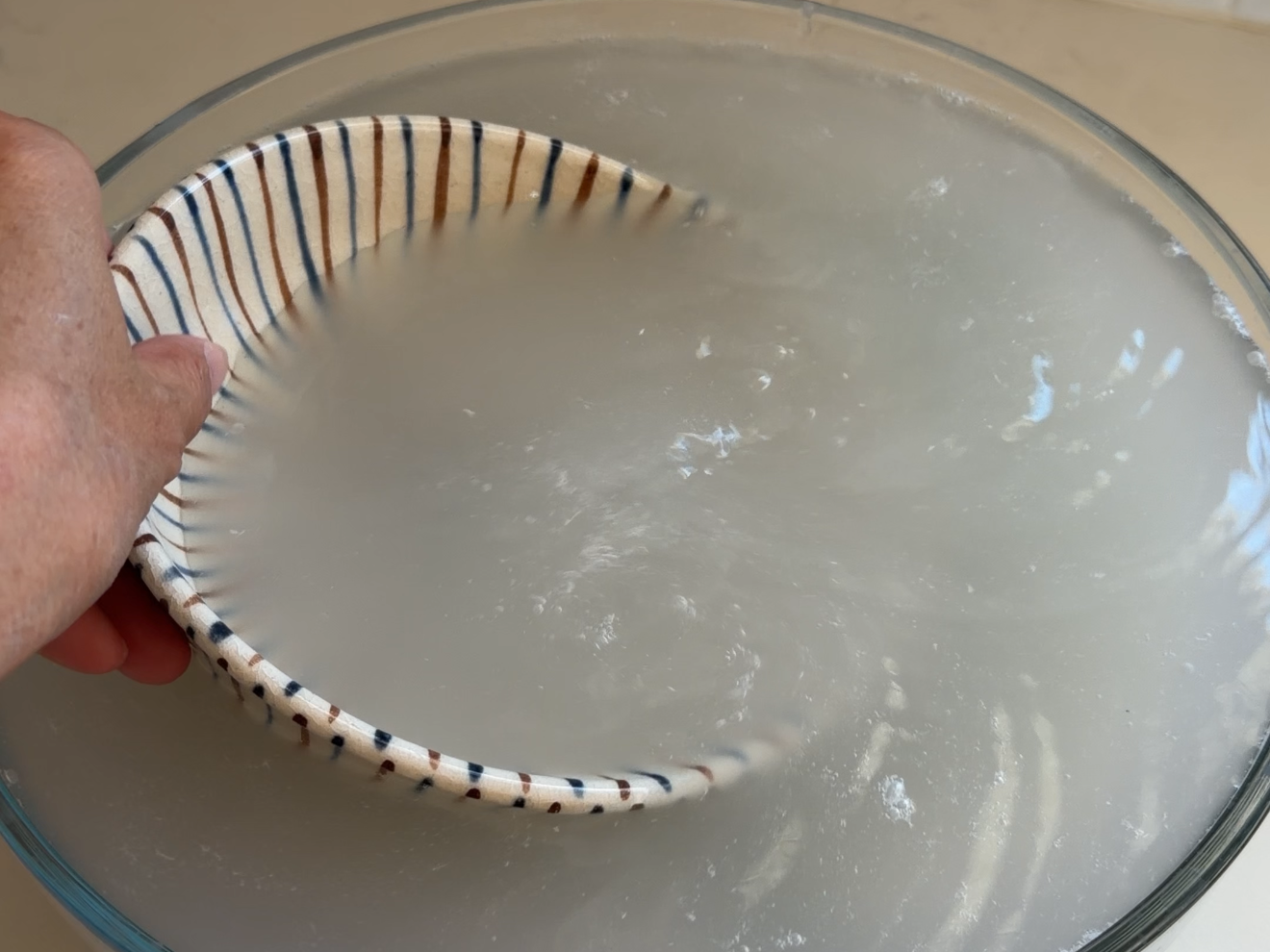
Seasoning the new ceramics is something I learned to pay more attention after buying handmade items. The purpose of seasoning can be to help reduce absorption of food, stains, and odors. I normally use rice water, soaking the plates in for a few hours.
But not every ceramic piece needs to be seasoned. The care instructions depend on the type of clay, glaze, and finish, so it's important to follow the maker's instructions when available. Some porous, unglazed, or traditionally finished pieces may benefit from a preparation process before their first use.
If you're buying directly from a maker or kiln, please ask if the tableware needs to be seasoned before using. Also ask about dishwasher use, microwave use, oven use, soaking, and recommended cleaning methods.
Start with one piece you love
If you're interested in Japanese tableware but don't know where to start, start with one. Maybe it's a small plate, maybe it's a rice bowl, or a handmade serving dish. You don't need to buy an entire matching set. In fact, I think mixing different pieces is part of the fun.
Over time, your tableware collection can become a collection of memories: A bowl from Tokyo. A plate from a pottery town. A little dish from a flea market. And suddenly, setting the table becomes a way of remembering the places you've been.
You May Also Like
If you love Japanese food and culture, you may also enjoy: